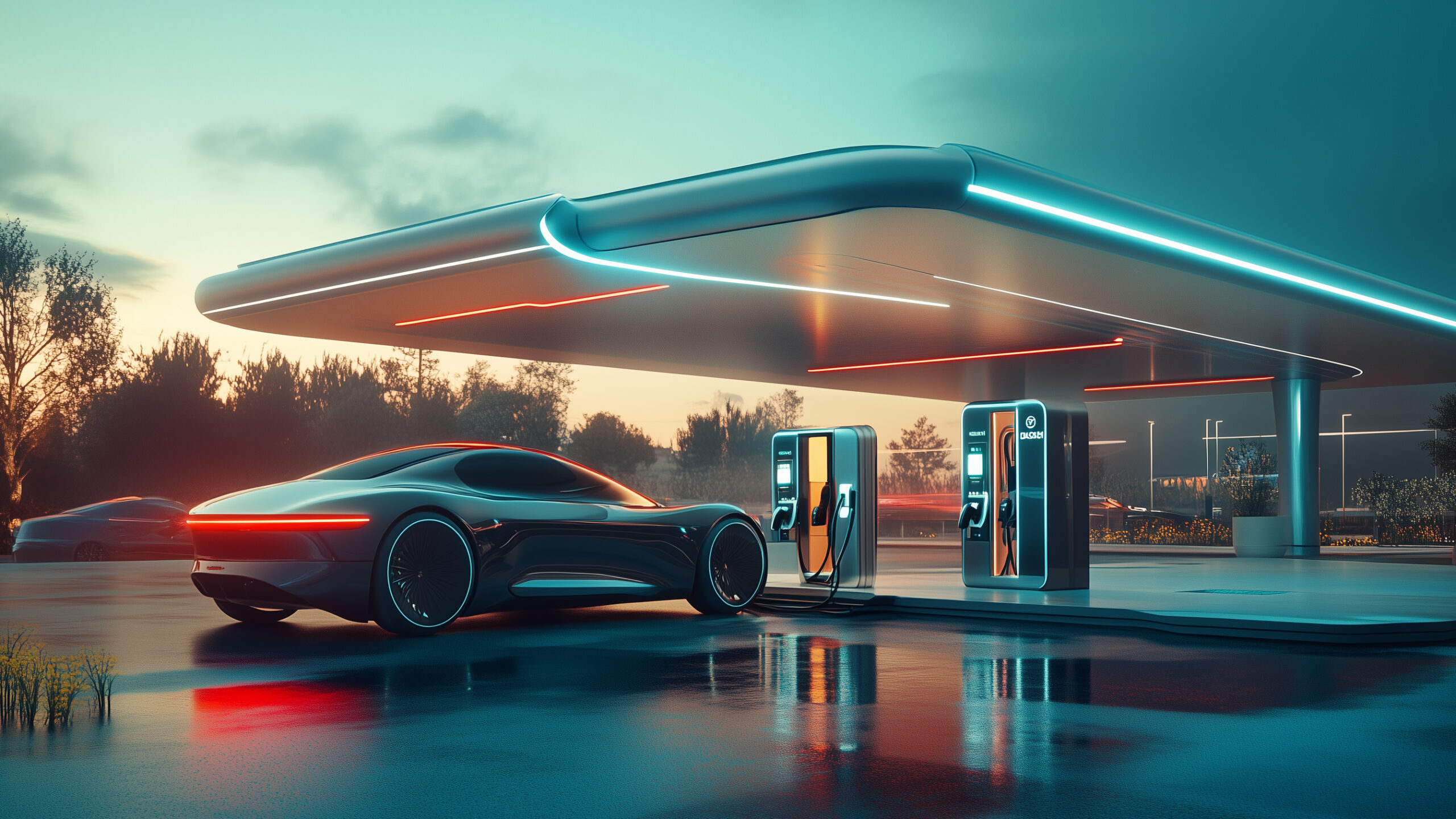

In a move that could revive interest in battery-swapping tech, Volkswagen has filed a patent with the European Patent Office for a system that uses pivoting rollers to quickly remove and replace large, heavy EV batteries.
While most automakers have focused on structural battery packs and fast charging, only China’s Nio has seriously pursued battery swapping at scale, allowing drivers to exchange a depleted battery for a fully charged one in minutes at dedicated battery-swapping stations. VW’s design suggests a fresh take on the concept, aimed specifically at vehicles with bulky battery systems.


Advantages And Disadvantages Of Battery Swapping
Battery swapping offers several compelling advantages for EV owners and automakers alike:
- Faster than charging: a depleted battery can be swapped out in minutes
- Lower vehicle cost: cars can be sold without the most expensive component: the battery
- Simplified ownership: battery leasing through a subscription model is easy to manage
- No battery degradation concerns: resale value isn’t tied to battery health
There are also a few disadvantages to this approach:
- High infrastructure demands: swapping stations require space, robotics, and investment
- Heavier vehicle design: housing a removable battery may add structural weight
- Standardization hurdles: batteries must follow common formats across brands and models


Built for Big Batteries, Not Passenger Cars
According to the patent documentation, Volkswagen’s battery-swapping system is designed specifically for heavy-duty vehicles like electric tractors and industrial machines—not everyday passenger EVs. The system features a durable frame and pivoting rollers that allow a large battery to slide in and out of the vehicle with minimal effort. A locking mechanism secures the battery in place once swapped.
For fleet operations, this approach makes practical sense. Large EV batteries can take hours to charge, and swapping them ensures near-continuous operation. This is the case with electric forklifts, where battery swapping is already standard practice. While the concept is well-suited to commercial use, there’s no indication that VW plans to bring this system to consumer EVs like the ID.4 anytime soon. Unless industry sentiment around battery swapping changes significantly, this tech looks set to remain in the industrial lane.