

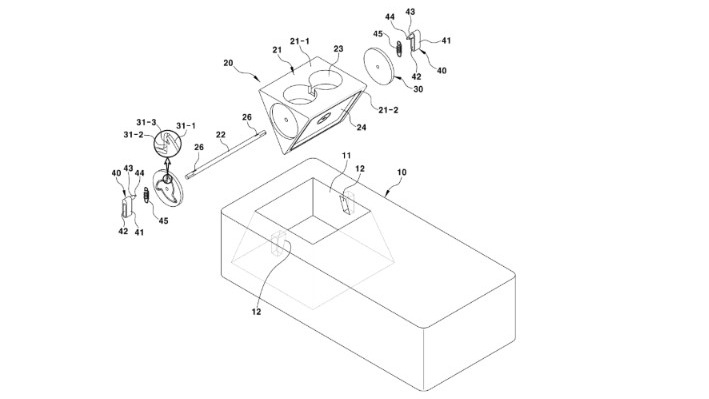
Hyundai has been trying different things to improve the ergonomics of its vehicles, and a patent application filed with the Korean Patent Office brings the principle of the Bentley Rotating Display to the humble armrest. Proposing a similar device that has different functions on different sides, more features can be incorporated into the armrest.
Hyundai’s Rotating Armrest: A New Take on Bentley’s Display Concept
If you’re familiar with Bentley’s Rotating Display, you’ll understand Hyundai’s latest innovation. In Bentleys, the infotainment display is housed within a triangular rotating unit, allowing drivers to switch between the screen, a wood panel, or analog gauges (a compass, chronometer, and outside-temperature display).
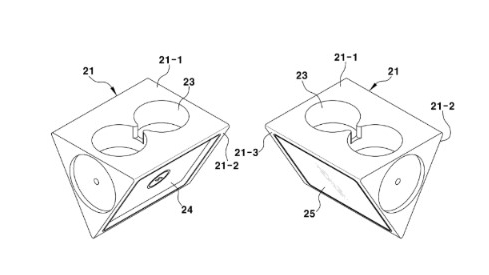
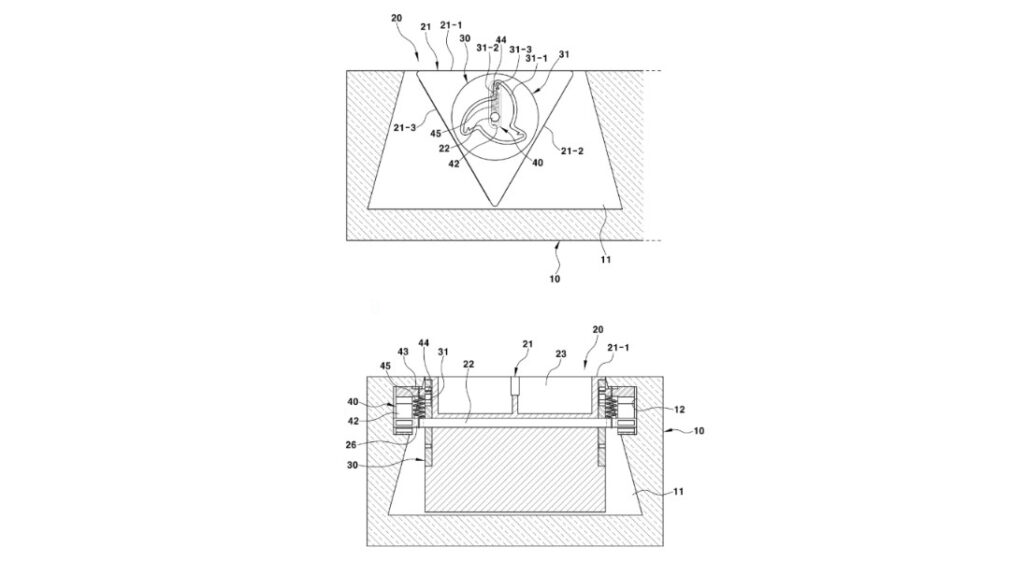
Hyundai’s concept applies this principle to the car’s armrest, integrating a rotating module with multiple functions. Possible features include:
- Cupholders
- A display screen
- A wireless charging pad
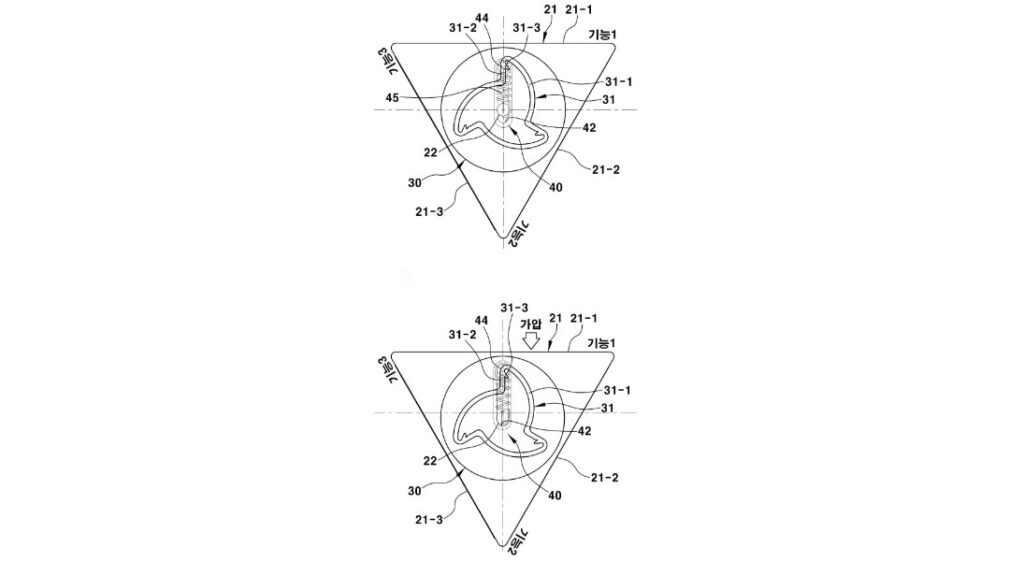
Drivers can simply rotate the module to reveal the desired feature, which locks into place while the other surfaces remain hidden within the armrest.
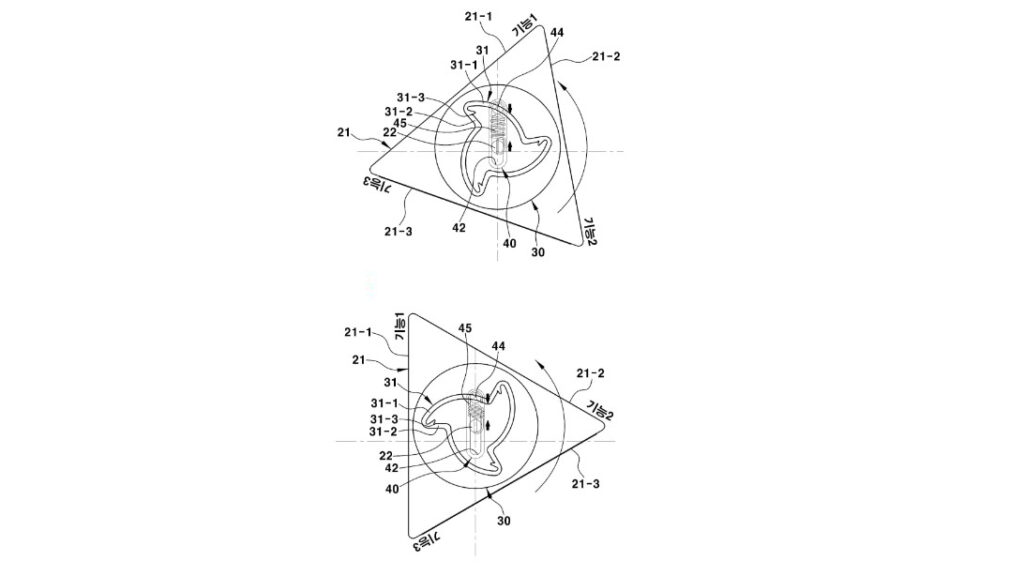
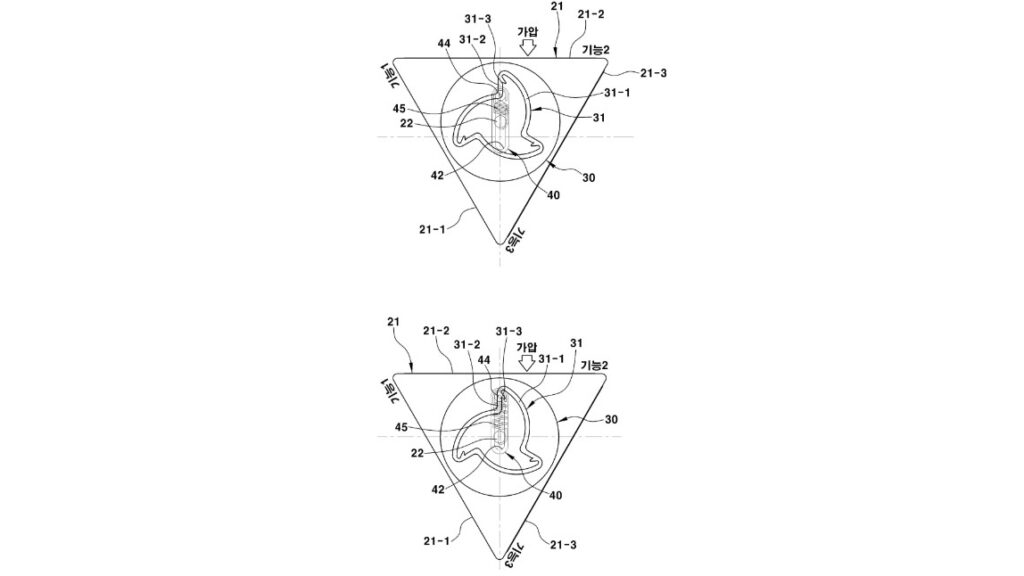
Clever Idea with a Major Flaw
At first glance, Hyundai’s rotating armrest seems like a smart innovation, but it comes with a significant drawback—one that Bentley’s design doesn’t contend with.
In Bentleys, the rotating display is housed in the dashboard and simply switches between showing the infotainment screen, a wood panel, or analog gauges—none of which interfere with each other.
Hyundai’s approach, however, places unrelated and frequently used features—like cupholders, a display screen, and a charging pad—on different sides of the same module. This means that if you’re using the cupholders, you can’t access the charging pad or display screen, and vice versa. While Hyundai’s attempt to maximize functionality is admirable, the design could prove frustrating if users are forced to choose between essential features.