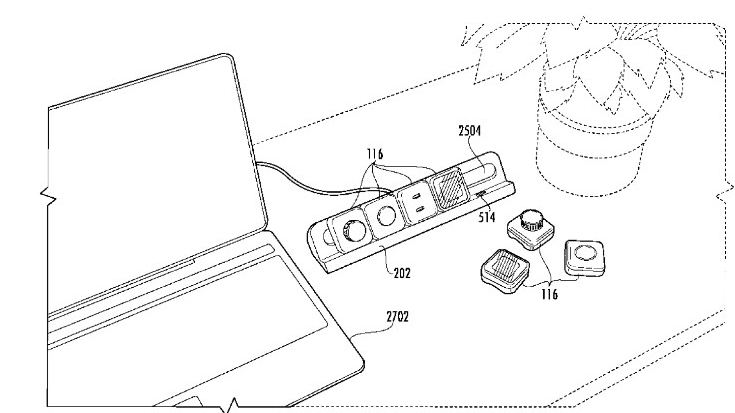

Ford is constantly working on new ideas to enhance vehicle functionality, and two patents filed with the European Patent Office showcase just how versatile its ideas can be. Centered around modularity, these innovations propose customizable in-car controls and seamless smart home integration, allowing drivers to personalize their vehicles and interact with their homes in entirely new ways.

Adaptive Tech: Ford’s Next-Gen Car Controls
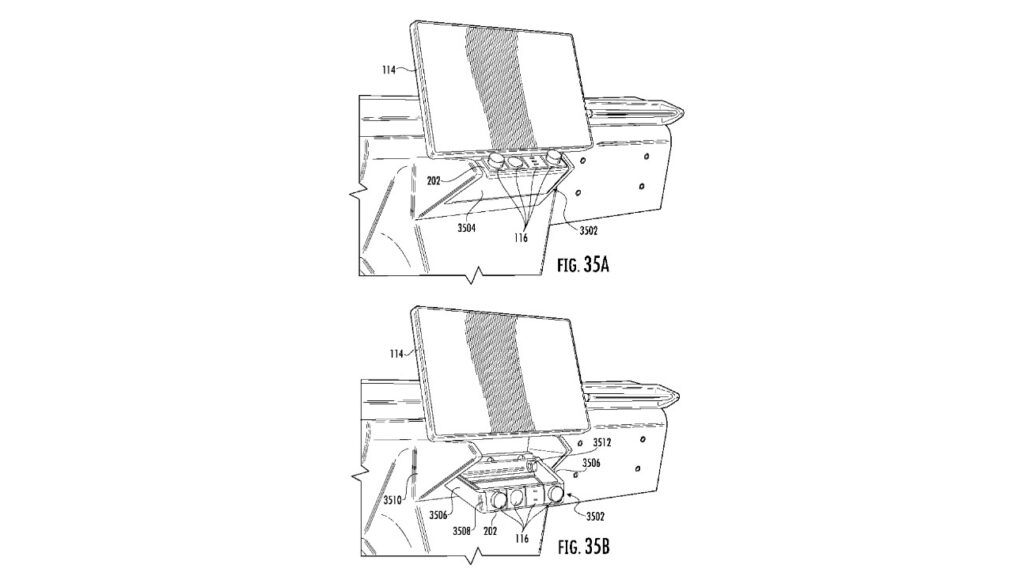
The first patent addresses the fact that many contemporary cars are fitted with digital displays and dashboards, noting that this allows for configuration and reconfiguration as required by the user. There are specific uses discussed, outlined below, but the main point here is that the digital interface of the car can be customized as needed.
This could help users to access important or regularly used functions with ease, or as much as a system like this allows. Interestingly, Ford notes that “modular programmable controls may be mounted to a console bin dock,” indicating physical switchgear accessories.
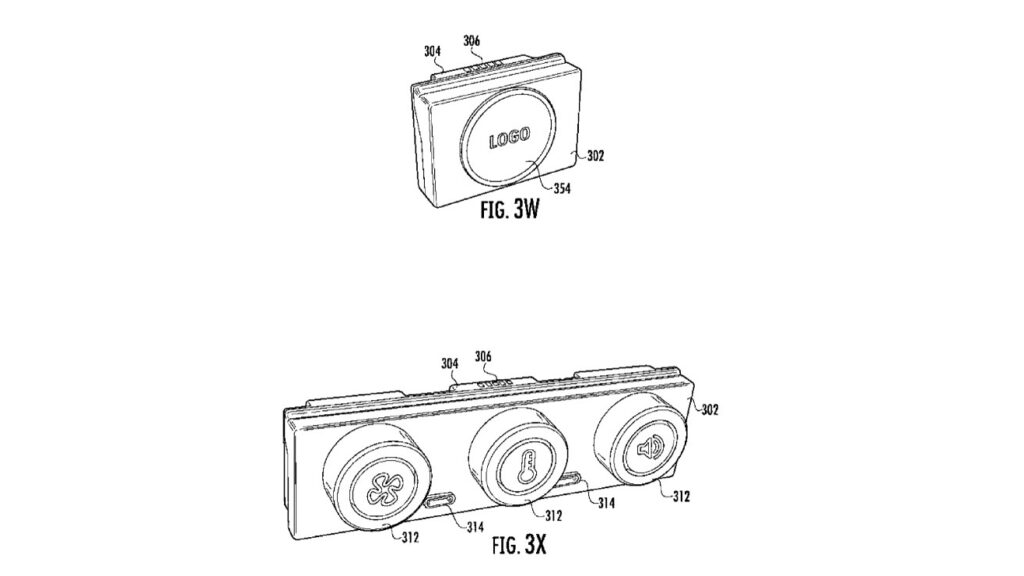
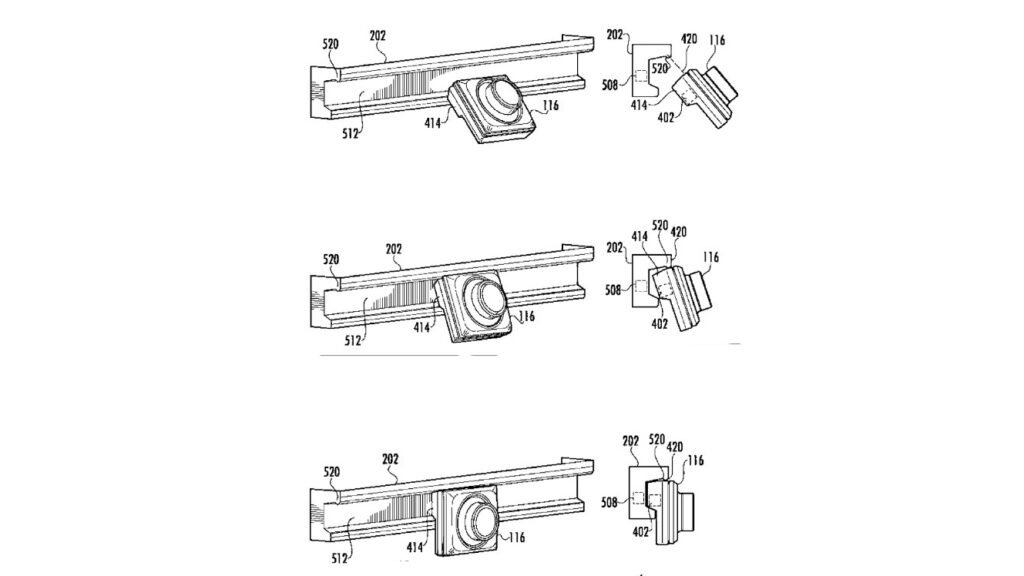
In a nutshell, this patent discusses a way to allow users to have physical and other controls for just about whatever they need, but the ideas extend far beyond those commonly seen in today’s cars.
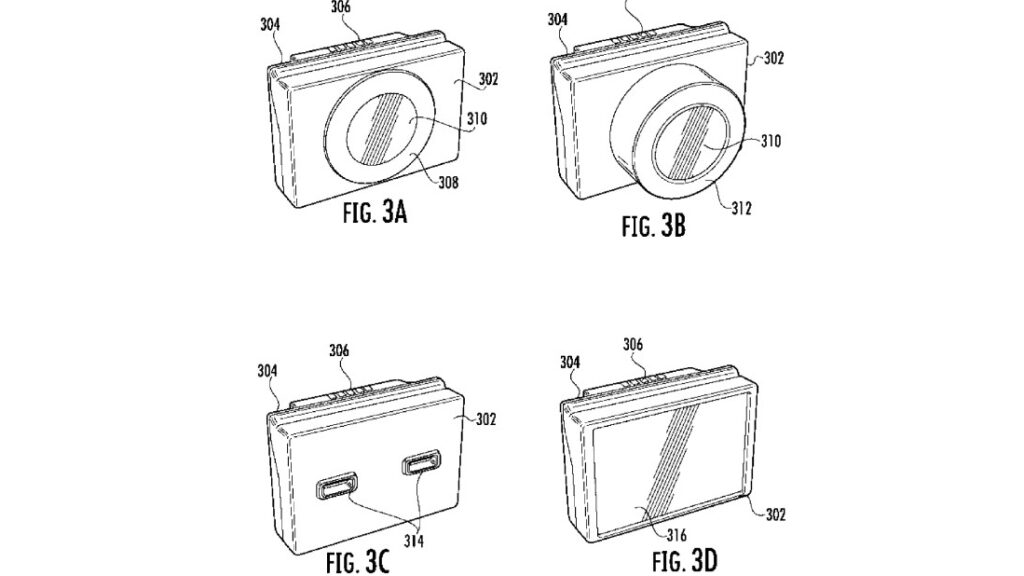
Ford lists things like biometric sensors, RFID sensors, air quality sensors, inventory trackers, audio jacks, decorative analog clocks, joysticks, additional touchscreens, wireless chargers, and more. Simpler ideas, like logo projections, could also be realized, but the basic idea is that a single system could be used to improve ergonomics for human machine interfaces, improve entertainment and luxury capabilities for occupants, and enhance adaptability and efficiency for commercial users – all with a single modular connection.

Ford’s Vision for Seamless Car-to-Home Connectivity
This leads us to the second patent, which requires less narrative in view of the abovementioned ideas. In this one, Ford mentions the same sorts of benefits but also applies them to the home.
Additional applications of this patent family include functions for the smart/connected home, with switches added to your car interior that can handle functions including but not limited to opening the garage door, activating perimeter or interior home lighting, monitoring security cameras, and more.
Ford argues that a society built on the so-called “Internet of Things” ought to start leveraging the increasing digitalization of the world for technologies that people have a practical, everyday need for, and these modular systems could provide in nearly limitless ways – with the obvious benefit to Ford that it will better understand its customers through anonymized data and can save money by adapting one principle to numerous features.