Driver-monitoring systems already detect drowsiness to determine whether they are paying attention to the road. Warnings such as chimes, seat vibrations, and other measures then alert the drowsy driver to pay attention. BMW is now expanding on this technology with its latest patent filing with the European Patent Office, which can also tell if a driver’s mind is wandering or whether they are daydreaming.
Assessing Your Mental State
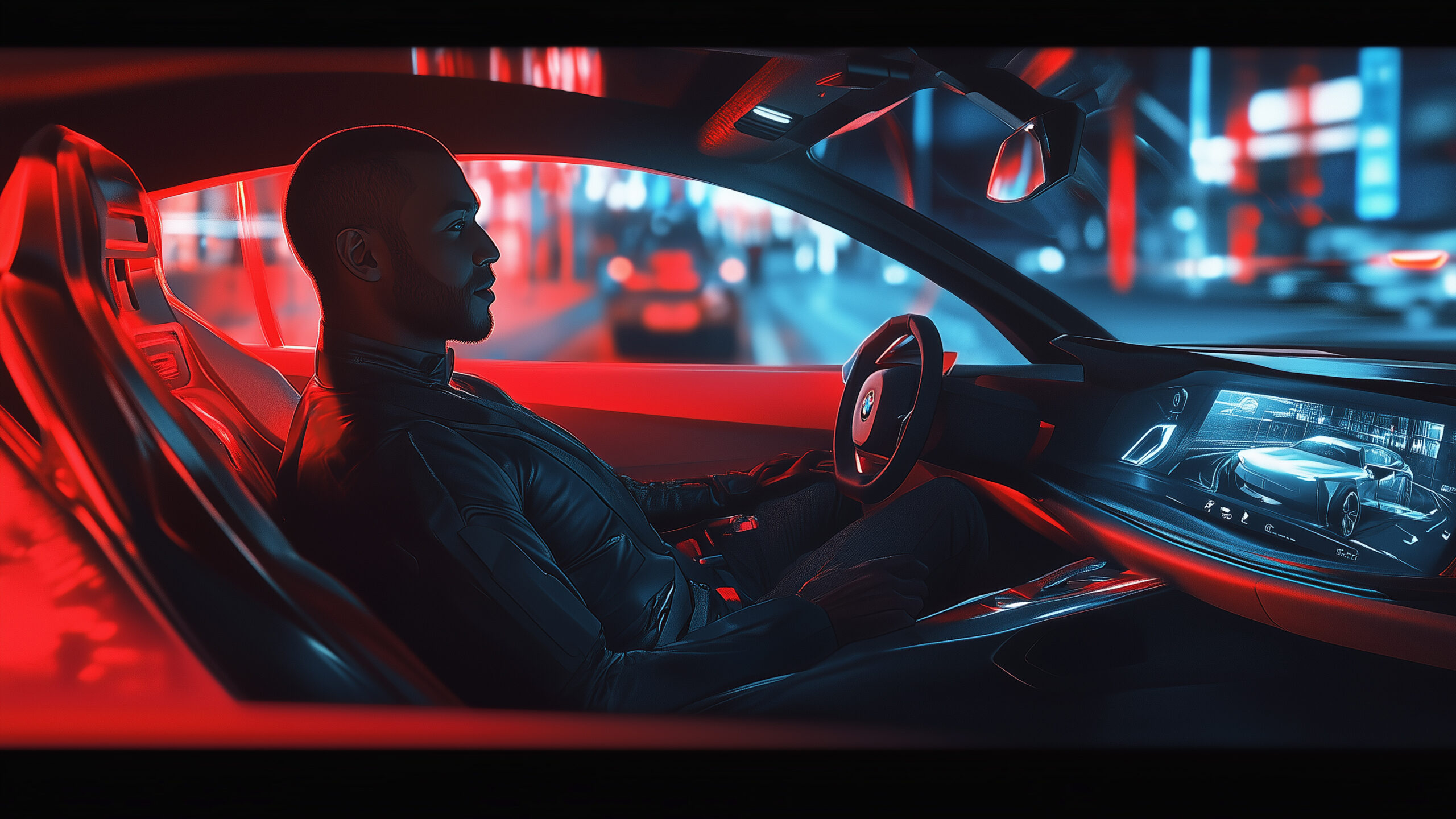
Driver-attention monitoring is quite commonplace in modern cars, and algorithms have been fine-tuned to detect the telltale signs of drowsiness, but a new approach was needed to expand this system’s abilities. BMW says its system monitors the driver’s mental state to tell whether they are task-focused or busy with unrelated things that may indicate daydreaming or a wandering mind. Sensor inputs include:
- Microphones to detect audio cues
- Driver-monitoring cameras to track eye movement and facial expressions
- Steering-wheel sensors to analyze grip and movement
- Vehicle system inputs, though BMW remains vague on specific detail
Collating Data And Formulating Responses
Based on the data harvested, the car then makes a judgement call as to whether the driver is not paying attention, even if they’re wide awake and not drowsy. BMW says daydreaming goes hand in hand with reduced vigilance and an increased risk of accidents, so it’s critical to recognize patterns that identify this state of mind. The system can then output context-aware prompts to appropriately capture the driver’s attention and alert them to the task at hand – driving. It aims to create an environment conducive to daydreaming only when it’s safe; we presume that means when autonomous driving systems are operating.
Smarter Safety: Detecting Distractions in Real Time
Daydreaming detection is a logical next step in driver monitoring, and, provided it can be executed effectively, will no doubt add an additional layer of safety to driving a BMW. This patent is unique in the way it collates information to make determinations and in the way it assesses the driver’s mental state based on various inputs and factors. It is intelligent enough to adapt its responses based on factors such as speed and traffic conditions too.