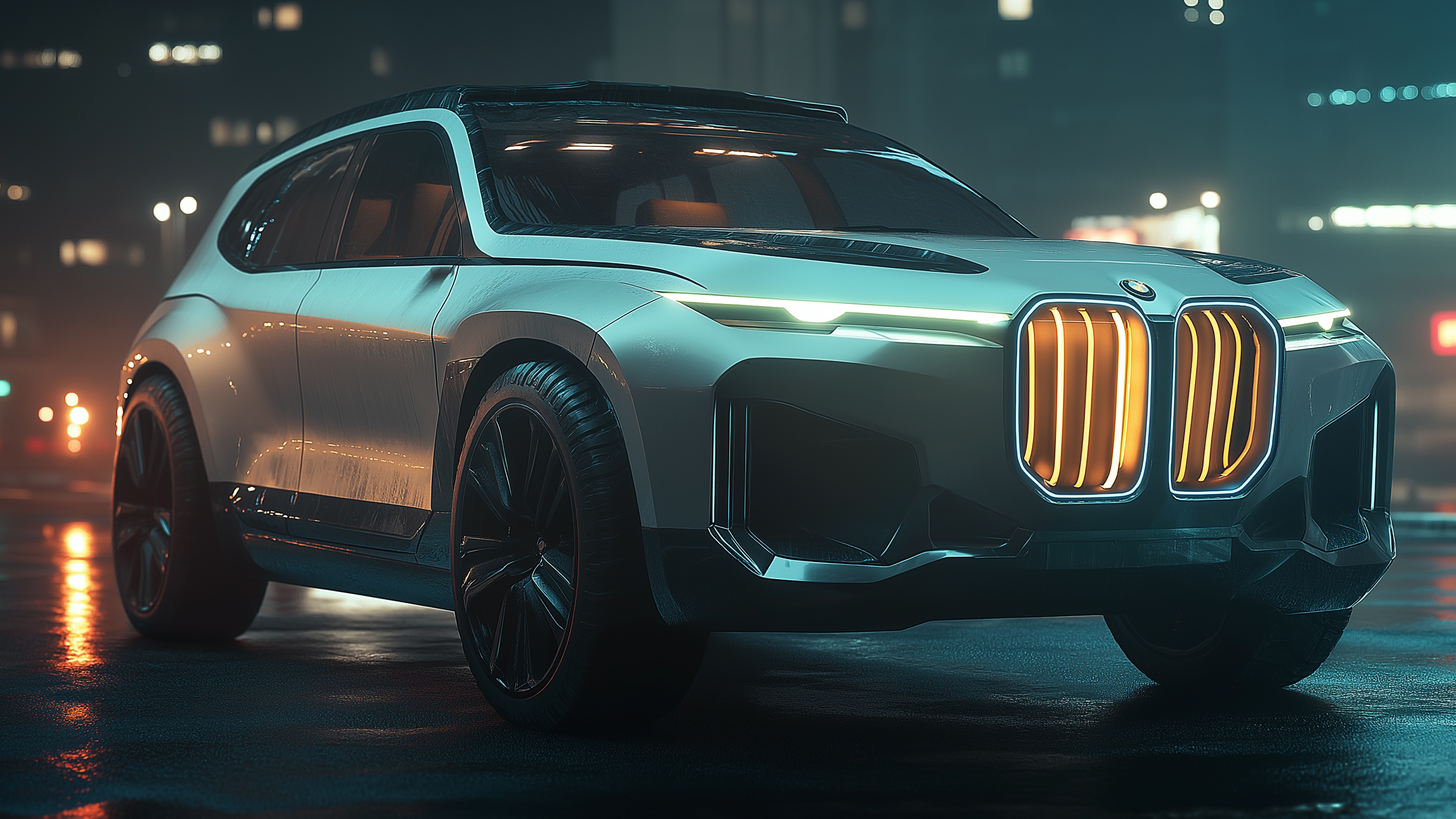
BMW has filed a patent with the European Patent Office for a vehicle that can serve as a secure shelter during extreme weather or social unrest. While not an armored, artillery-proof vehicle, this technology transforms a BMW into a temporary safe haven, offering communication with the outside world and enhanced protection for its occupants.
BMW’s Emergency Safe-Haven System
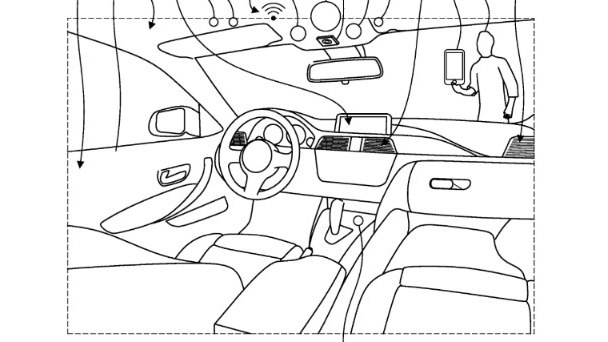
BMW’s patent details a vehicle that can act as a temporary refuge during emergencies. Key features include:
- Threat Detection: Sensors detect threats such as social unrest or the owner can make a personal request for protection.
- Weather Monitoring: The system detects extreme or severe weather, and relays data to “external entities”.
- Communication: The vehicle can request assistance or send alerts based on threat levels.
- Safe Haven: Features include locking mechanisms to keep passengers safe, while climate control can help to create amenable temporary living quarters.
Practical Applications
While some may regard this patent as somewhat apocalyptic in approach, it may have appeal in more dangerous parts of the world. More likely, the weather-monitoring system may come in handy just about anywhere, especially in areas prone to torrential rain or heavy snowfalls. Applied to an electric vehicle, the substantial battery capacity and optional climate-control features will be able to keep occupants safe and warm while they are stranded during a blizzard, for example, and the car can then summon help.
BMW’s Vision for Safer, Smarter Cars
Recent patents, like those from Mercedes-Benz that help drivers sing on pitch or suggest music based on mood, highlight the shift toward more human-centric vehicles. Now, BMW is taking this concept even further with technology designed to protect occupants by detecting weather hazards and potential threats. As technology advances, features like these are likely to become commonplace in the coming decades.