
Photovoltaic roof panels are used on cars to power things like the ventilation fan to cool down the vehicle’s interior after it has been standing in the sun, allowing the cabin to be partially cooled by the time you get in. It cannot run the air-conditioning, because that requires far more power than a solar panel can provide.
And up to recently, such panels have not been used to charge a car’s main battery. Renault has recently filed a patent with the European Patent Office describing a photovoltaic roof panel that can charge the battery of your car while you drive, reducing the load on the car’s charging system.
A Small Boost for EVs, A Game Changer for Gas Cars
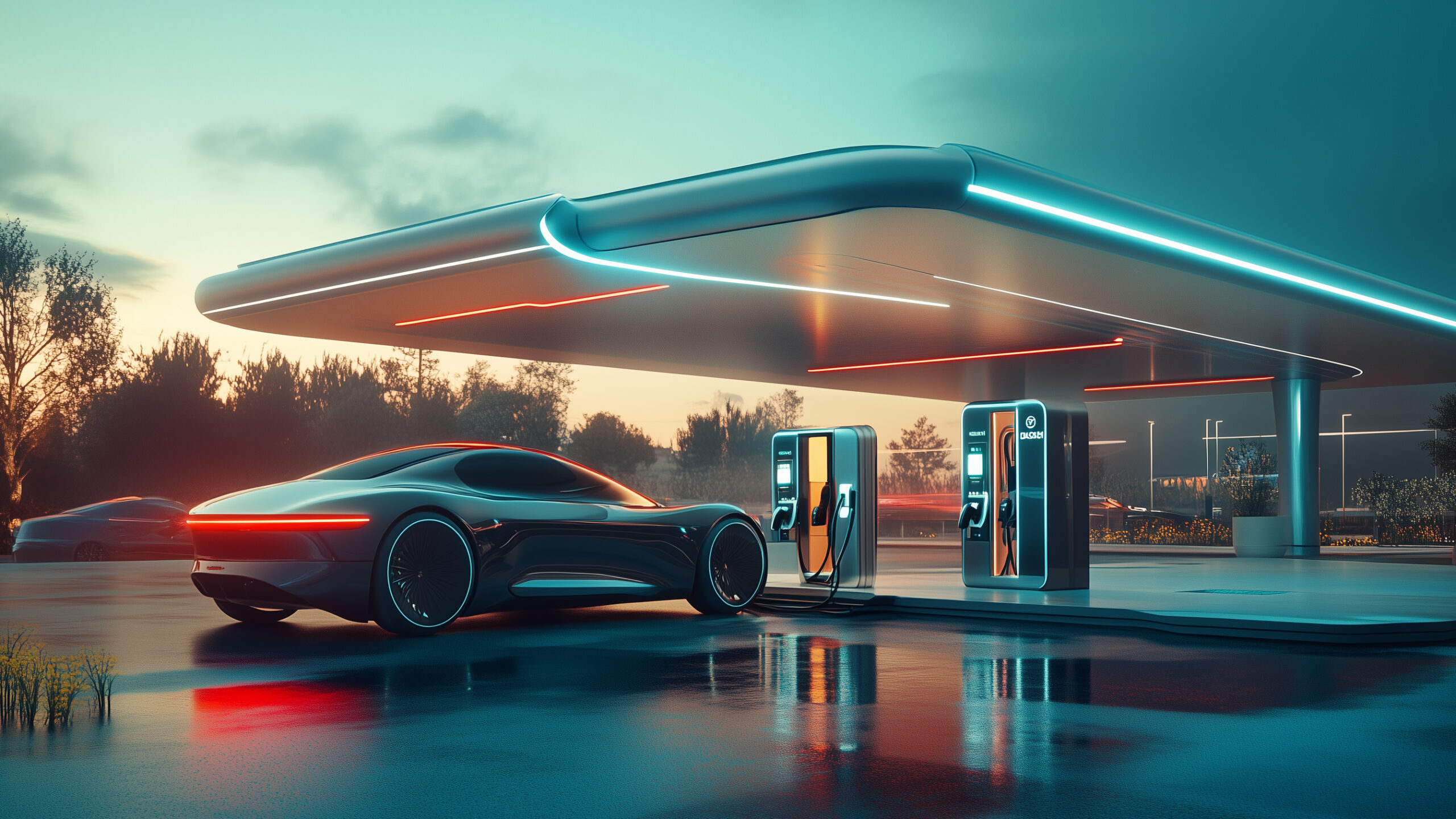
Several electric vehicles can be ordered with rooftop photovoltaic panels that charge the main battery pack, including the Hyundai Ioniq 5 and Toyota bZ4X. A far larger surface area than a car’s roof is needed to harvest a useful level of electricity from a solar panel, and Hyundai admits that the Ioniq 5’s panel only adds “up to” 3.7 miles per day to the car’s range. That might not sound like much in the context of a 84-kWh battery, but it could be enough to keep an ICE car’s battery topped up. Renault’s system is compatible with gas vehicles using lead-acid, EFB, or AGM main batteries and allows for the incorporation of a separate trunk-mounted auxiliary battery.
A Few Hurdles Still To Clear
There are some obstacles to mass adoption. The secondary battery adds weight, cost, and complexity, but is said to more efficiently charge the main battery. It will be easier to sell the basic system that just charges the main battery, but expect a price tag of between $500 and $1,000 just for the photovoltaic panel, with additional cost for the rest of the system wiring and intelligence.
Advantages
Though they might be hard to quantify currently, the system’s advantages include:
- Reduced load on the car’s charging system
- Subsequent fuel saving
- Assists with running auxiliaries such as the lights and the HVAC system
- Helps with battery longevity by maintaining a higher battery charge in cars with smart charging systems