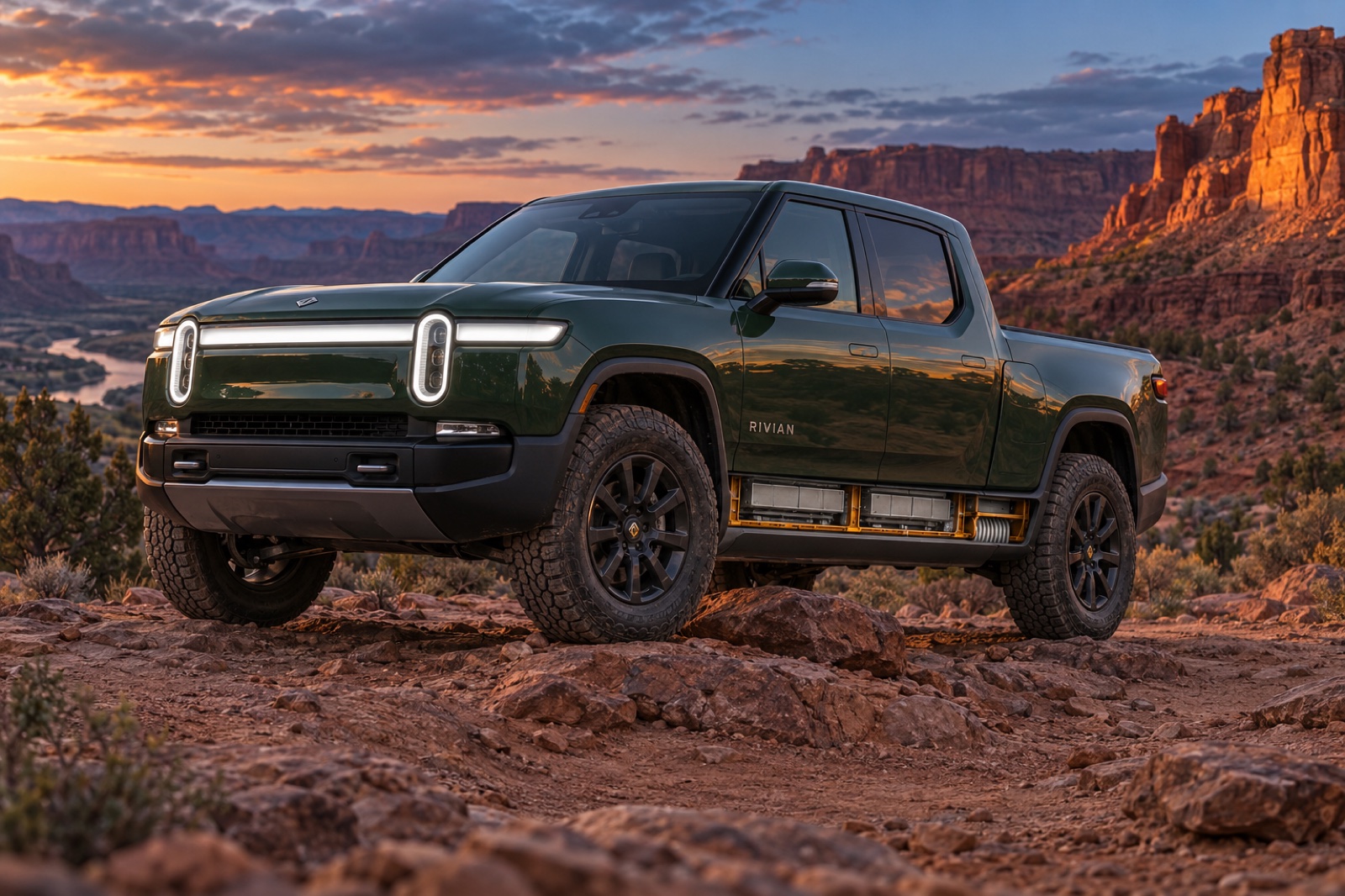

Structural batteries form part of an EV’s body and can’t easily be removed. They depend on fast charging to minimize downtime while charging. This type of battery has been used for a couple of years by Tesla, but now Bosch GmbH has filed a patent application with the United States Patent and Trademark Office for its own design of a Tesla-like structural battery.
Bosch Bets On Structural Batteries
In Europe and the US, public charging infrastructure expands daily and, given that Western markets favor structural batteries, Bosch has now designed its own, which it says:
- streamlines the vehicle body
- uses fewer parts
- reduces production complexity
- simplifies the vehicle structure
- does not require separate brackets and subframes
- optimizes weight distribution
Structural Or Swappable? The Jury Is Out
Swappable batteries can be quickly exchanged for charged ones, so you don’t have to wait for them to charge, and is favored by Chinese EV maker Nio. Besides Tesla’s structural and Nio’s swappable batteries, most other EV manufacturers actually use a third type – a separate battery pack bolted onto the underbody of the car between the axles. By its nature, it’s heavier and more complicated.
Swappable batteries require a battery-swapping network, while structural and conventional batteries require a public fast-charging network to quickly charge them. So far, nobody knows which type will become the future standard, but currently only Nio has opted for swappable batteries, which have advantages of their own:
- A cheaper car, because you buy the car without a battery and lease the battery
- Far quicker “refills;” a battery swap is said to take just three minutes
- You never own the battery, nor the risk of repair or failure
- Slower vehicle depreciation because the risks of a used battery are absent
Our Take
Not content with Tesla having the market segment to itself, Bosch’s structural battery design can easily be adopted by other EV makers keen to drop their heavy and complicated separate batteries without having to design one from scratch. We think the numerous advantages of swappable batteries are compelling, but it seems the market forces have already cast their vote – in the West, at least – for structural batteries.