BMW has proposed a way to adjust an unfamiliar car’s seat using another driver’s preferences, potentially saving you from starting the setup from scratch. A patent filing discovered by Carmoses describes a system that starts by finding someone whose settings in a comparable vehicle resemble yours, then using their history to fill in your missing driving position.
The problem is familiar to anyone switching between cars with different seats. Remembering where the motors stopped in one vehicle does not necessarily produce a useful position in another. BMW specifically identifies differences in vehicle type and equipment as obstacles to transferring a driver’s setup.
Portable profiles already have a history. BMW described transferring seat, steering-wheel, and mirror settings through BMW ID when the original iX launched in 2021. Electronics supplier Alpine also previously proposed recommendations based on similarities between users and vehicles. The interest here is BMW’s particular method of connecting two people’s preferences across comparable cars.
A Match Across Two Cars
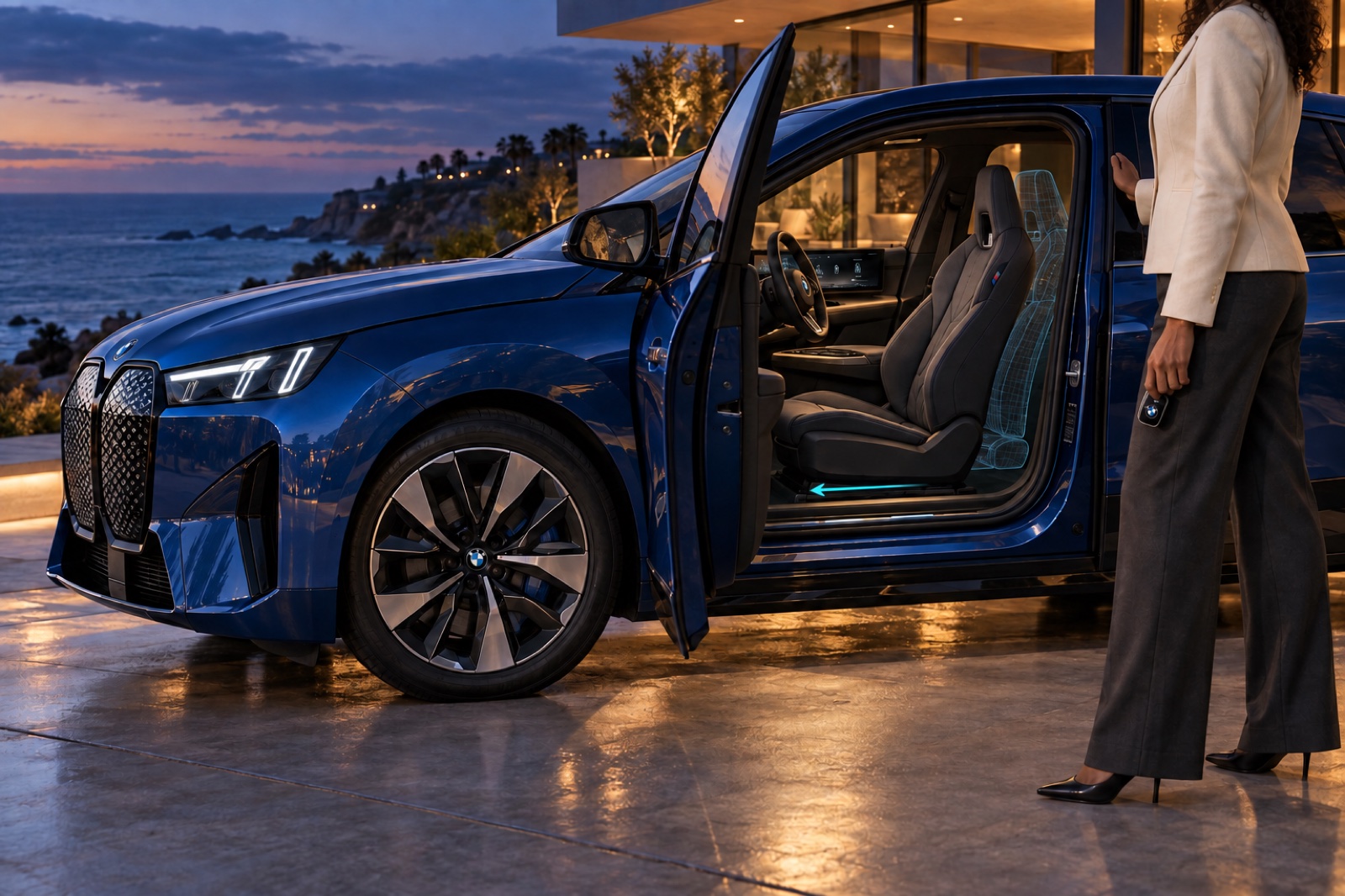
First, the car recognizes its driver through a login, a personalized key, or potentially a biometric identifier. In BMW’s proposed sequence, it checks onboard memory for that person’s existing setup. If nothing is stored locally, it asks an external server for their saved position in this vehicle.
Only when both checks fail does the system turn to someone else’s experience, giving your own records priority.
Suppose you have already adjusted a familiar car to your liking and now enter a different one. The service searches for another person who has used comparable versions of both. Their position in the familiar type must be sufficiently similar to yours, while their other vehicle and its adjustable equipment provide the reference for the car you are entering.
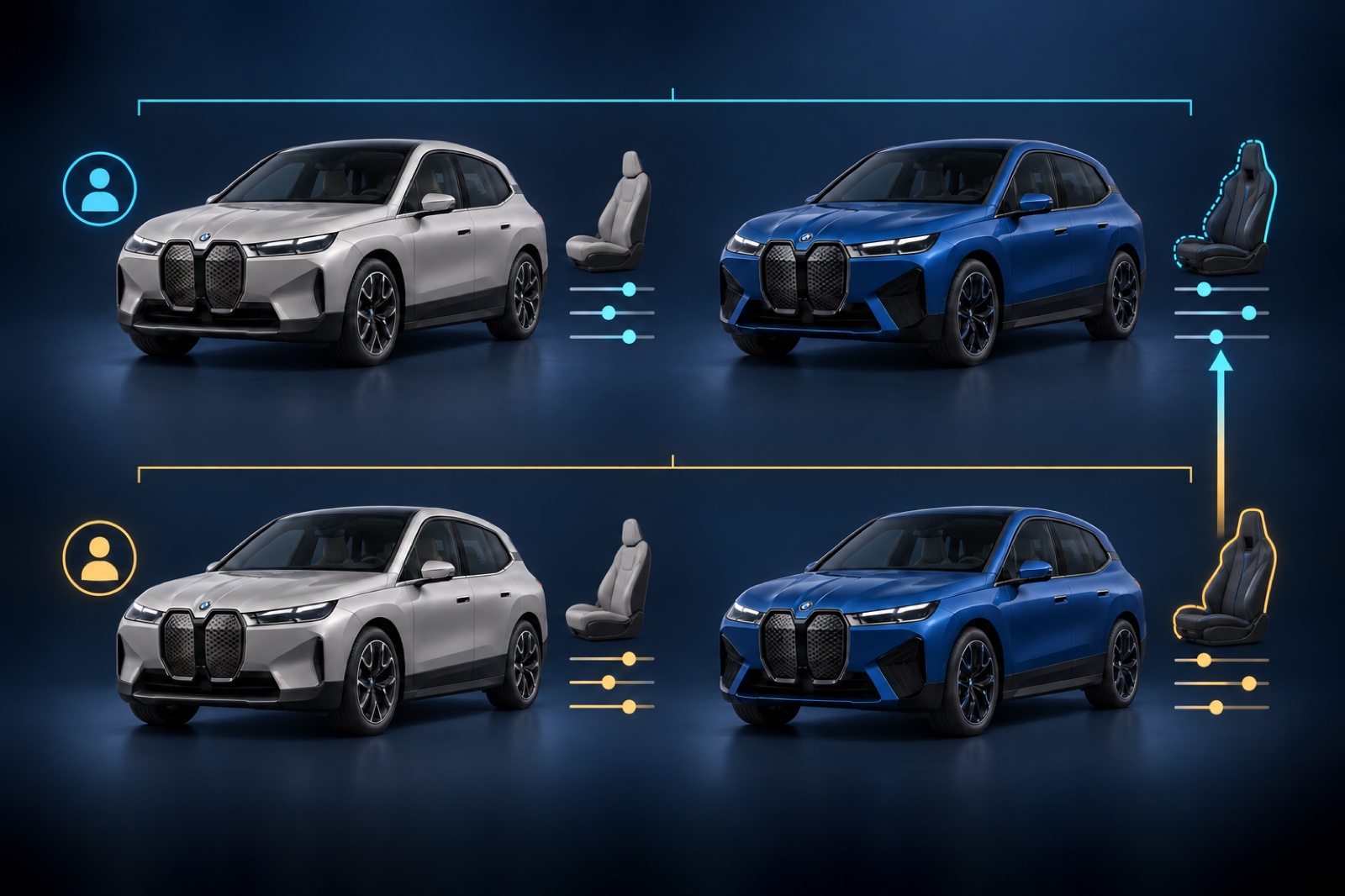
That person’s setup in the destination-like car becomes the basis for your new position. BMW allows the system to copy those settings directly or adapt them before sending the result back. The car then moves its adjustable components and can store the setup for a later visit.
The comparison can give different importance to vehicle characteristics, equipment, and adjustment values. It does not require measuring your body or finding someone of precisely the same height. The useful evidence is how each person has already configured comparable hardware.
Why The Seat Hardware Matters
A basic seat might move forward and backward and recline its backrest. A more elaborate design adds cushion height, tilt, and other adjustments. BMW’s method can compare the number of adjustment axes, their movement ranges, and extra functions, alongside cabin space and layout. Those checks determine whether another person’s experience is relevant.
Nothing in the filing names a production model. The US-market BMW iX is the editorial choice for these renders because its available M Multi-Function seats make the equipment differences tangible. BMW added those seats for the 2026 model year with backrest-width adjustment and lumbar support, giving the matching system more to account for than simple fore-and-aft travel.
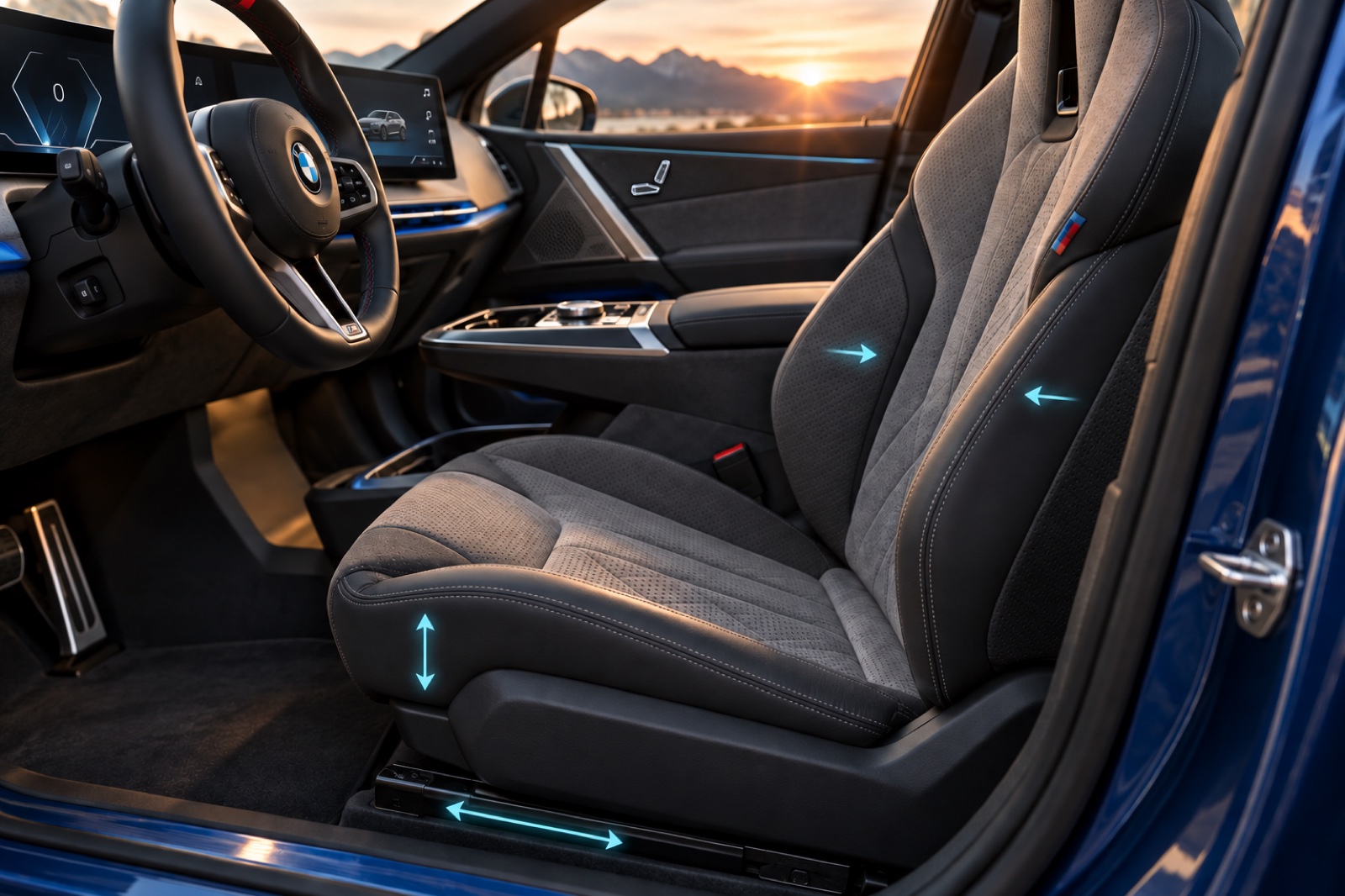
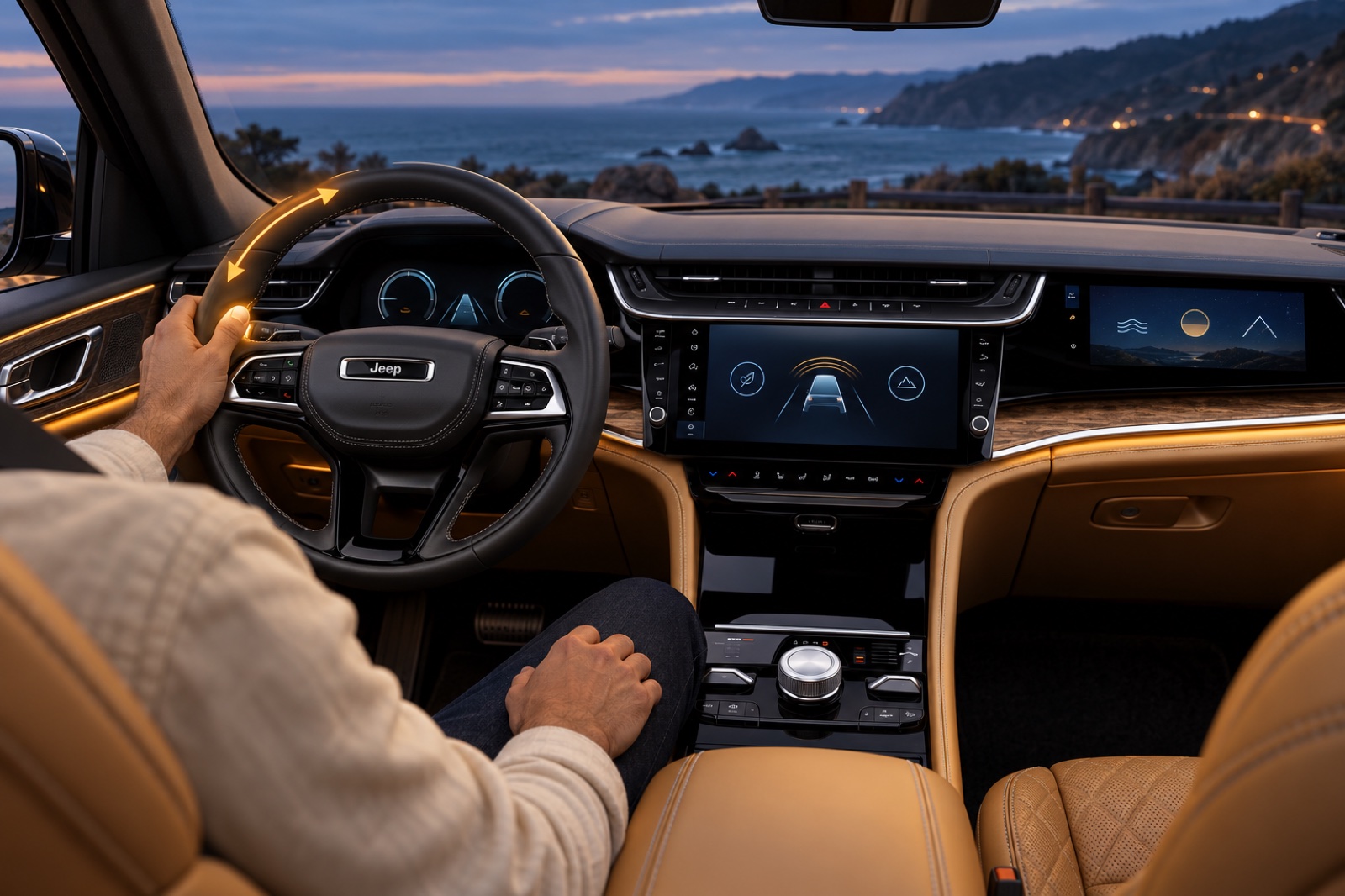
The approach also extends to steering columns, mirrors, and adjustable displays. An exterior mirror could respond to the seat position to preserve the driver’s view. These are examples of components the same system could control, rather than a promise of a new cabin layout.
The Data Comes With A Condition
BMW describes collecting reference settings with explicit consent and allowing people to refuse. The information could be separated from identifying personal details while retaining the association between a person’s vehicle setups. A larger collection increases the chance of finding a useful comparison.
There is also a proposed condition for access. BMW says use of the prediction service could be reserved for people who contribute their own adjustment data. That makes participation a possible exchange, with your saved positions helping other drivers in return for their records helping you. No fee is specified.
The biggest unanswered question is how often the predicted position would feel right. No accuracy results establish that matching past preferences produces a comfortable fit in a different cabin, and the method leaves room for adaptation without specifying how every correction would work. A patent does not guarantee production.
BMW’s proposal makes sense as an initial setup for an unfamiliar car. Its strongest feature is the priority given to positions the driver has already chosen. Borrowed preferences should earn their place by reducing the adjustments someone needs to make, and BMW has yet to demonstrate that result.