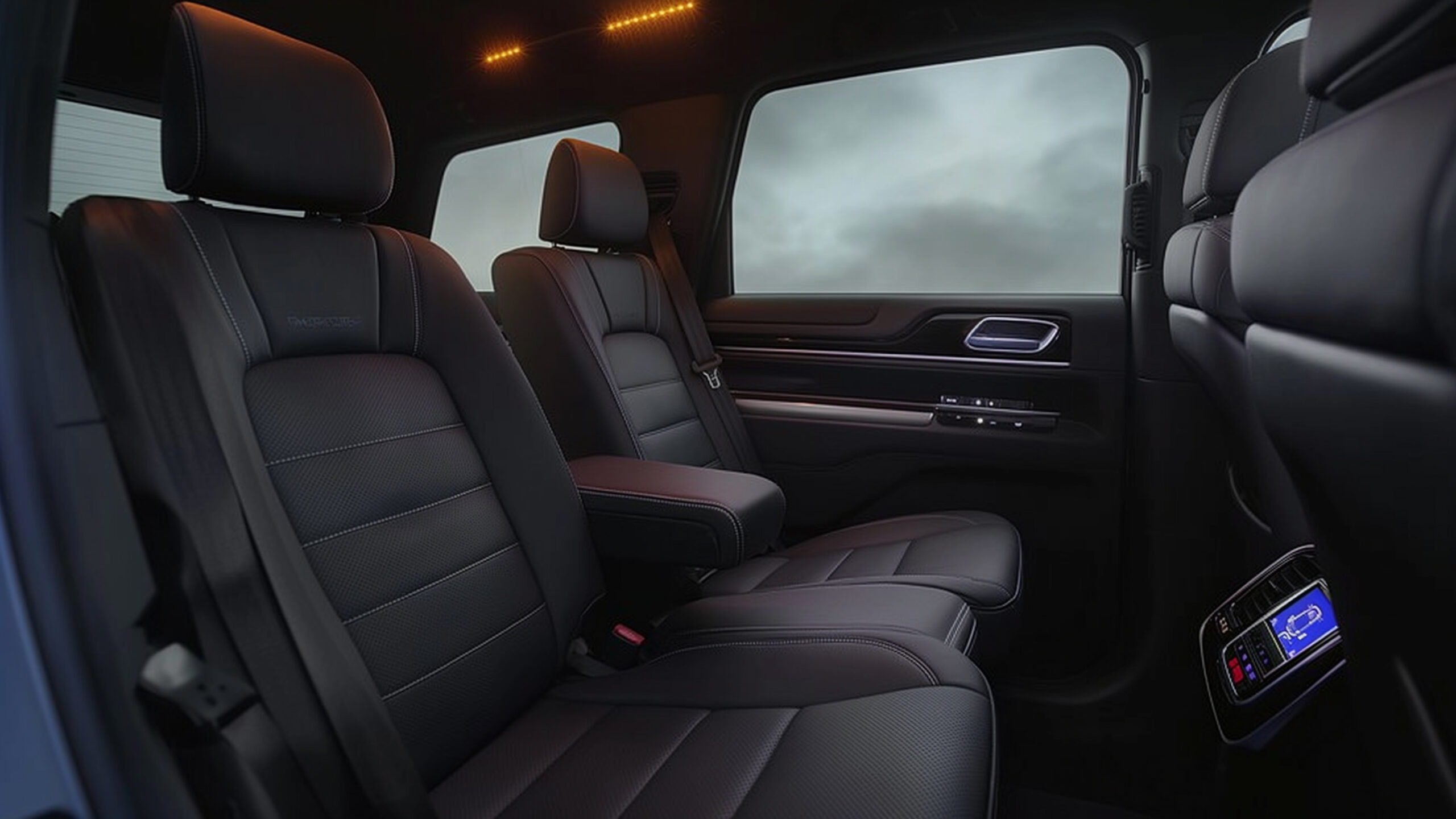
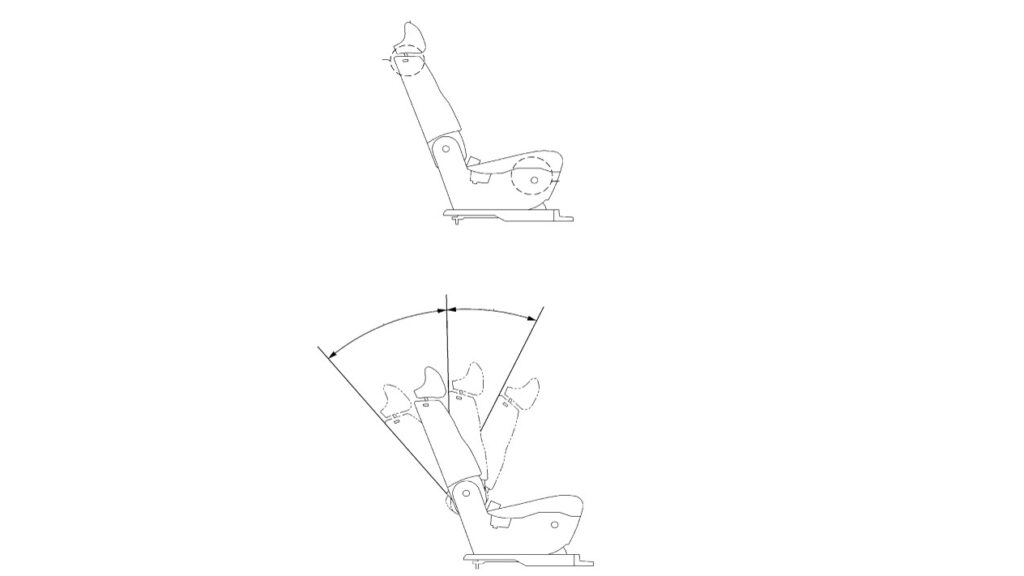
Hyundai and Kia are developing rear-seat controls that make getting in and out of SUVs and minivans easier. A new patent filing with the U.S. Patent and Trademark Office describes a system that automatically adjusts seat positions to improve access for rear passengers. The diagrams show floor-mounted seating across multiple rows, suggesting the technology is designed for larger vehicles like SUVs and minivans. The system promises quick, smooth repositioning to streamline entry and exit.
Smarter Access to the Third Row
While reaching the second row in most vehicles is straightforward, third-row access is often far less convenient — typically requiring you to tug on levers, tilt the backrest, or wait for a slow power mechanism to move the second-row seat out of the way.
Hyundai’s patent addresses this by automating the process with the help of a power seat motor and a network of smart sensors. These include:
- Seat-occupancy sensors
- A Hall sensor
- A seat-position sensor
- Additional sensors to detect the seat’s current state and respond to user input
The result is a system that anticipates and streamlines passenger movement, reducing the friction that usually comes with accessing the third row.
How Hyundai’s Smart Seat System Works
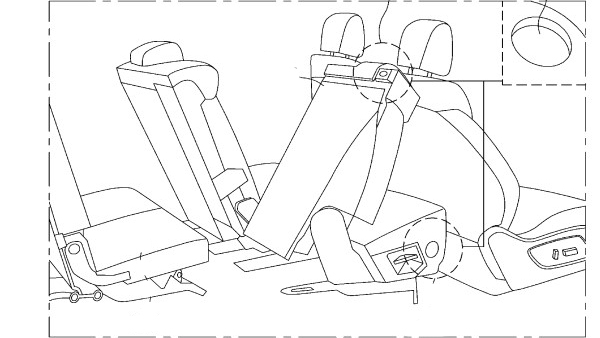
Controls mounted on the side of the seat allow passengers to initiate entry or exit. The system remembers the last operation mode of the seat, and knows that someone has gotten on board and is now occupying a seat, and therefore wants to disembark. In one operation, it smoothly slides and tilts the seat ahead to ease egress. Hyundai calls this Walk-Out Mode.
Operating the controls from outside through an open door reverses the process and instructs the seat to position itself to admit passengers. Hyundai calls this Walk-In Mode.
One-Touch Convenience for Third-Row Access
Manually adjusting multiple seat controls to let third-row passengers in or out can be frustrating and time-consuming. Hyundai’s system simplifies the process by bundling all the necessary seat movements into a single, seamless operation. With just one input, the seat enters Walk-In or Walk-Out Mode, repositioning itself automatically. And once boarding or exiting is complete, it smoothly returns to its last-used position. It’s a small change that adds up to a noticeably more convenient experience.