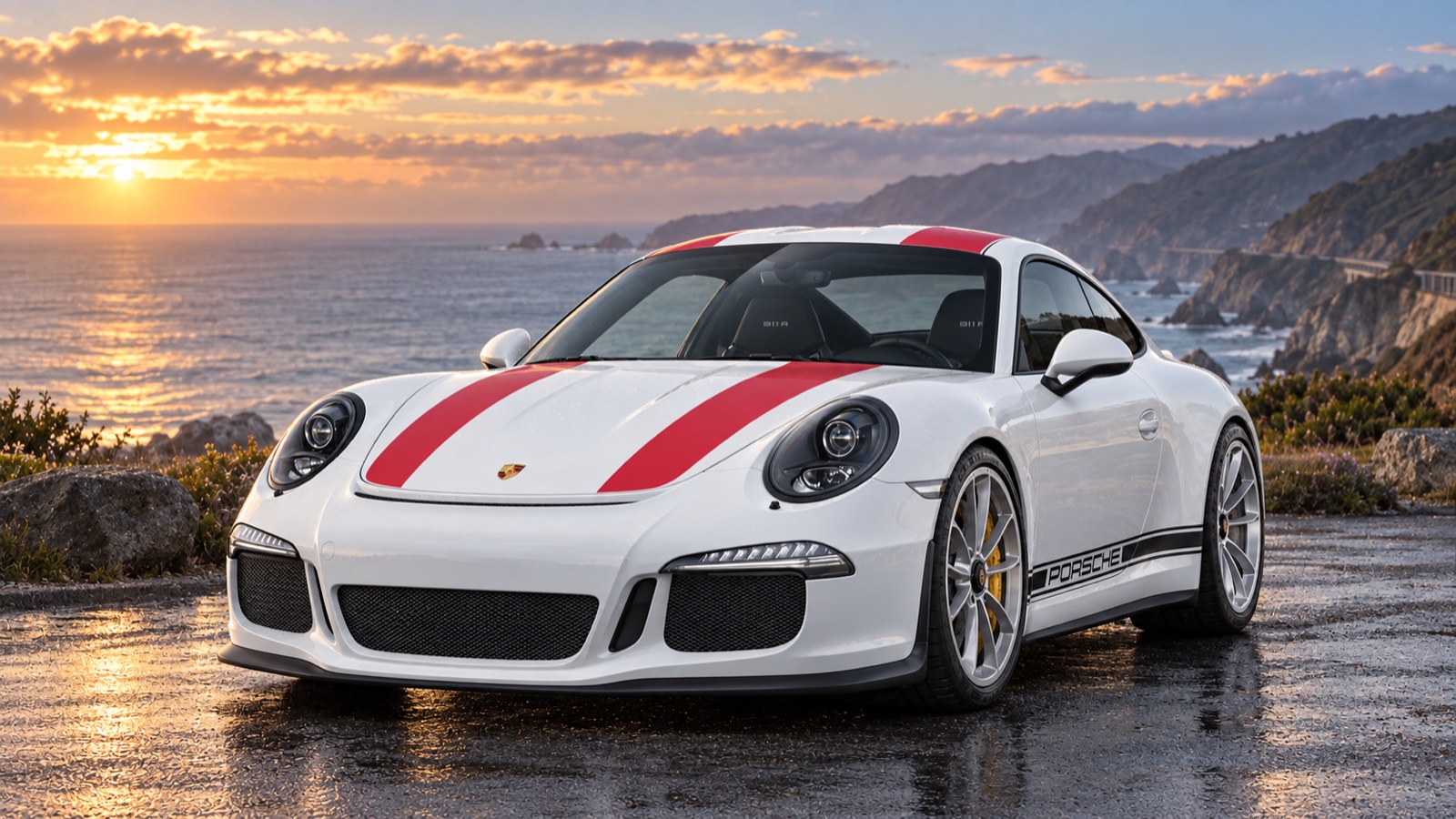
Porsche already sold the 2016 911 R in the United States. A Baltimore-based importer, J.K. Technologies, is now asking NHTSA to approve a separate path: importing the European-market version of that same car. The National Highway Traffic Safety Administration published a notice on September 8 acknowledging the petition, opening a public comment period rather than approving anything. Bringing a European 911 R into compliance would still mean substantial work, reaching from its headlights to the equipment that detects a passenger in its bucket seat.
J.K. Technologies, a registered importer, wants NHTSA to declare the European-market 911 R substantially similar to its U.S.-certified counterpart and eligible to be modified to meet federal safety standards. That determination, not permission to start shipping cars, is what the current comment period addresses. Comments close October 8, 2026, and the notice requires no action from owners of existing U.S.-certified 911 Rs.
A Small Pool With Serious Money Attached
The petition covers European-market cars from one model year and identifies a single sample vehicle through a partially masked VIN. It gives no projected import total. Porsche built 991 examples of the 911 R worldwide, a figure that includes U.S. cars and does not represent how many are covered by this petition.
J.K. Technologies also says identical 911 Rs are already on NHTSA’s eligible-vehicle list, though the notice does not identify that earlier approval. That leaves open exactly what additional access this new petition would provide.
The financial stakes are real. A U.S.-delivered 2016 911 R with 4,700 miles sold at auction for $599,911 on September 10, well above its original $220,595 window sticker. At that price, the cost and complexity of importing a European example become central to any buying decision.
The R paired a naturally aspirated 4.0-liter flat-six rated at 500 horsepower with a six-speed manual transmission and rear-wheel drive, wrapped in restrained bodywork with a retractable rear spoiler. Its name recalled Porsche’s lightweight 1967 911 R, and the modern car left its own mark on the range: Porsche credits its popularity with helping bring about the GT3 Touring in 2017, a way to get serious GT hardware without a fixed rear wing.
The Work Reaches Into the Cabin
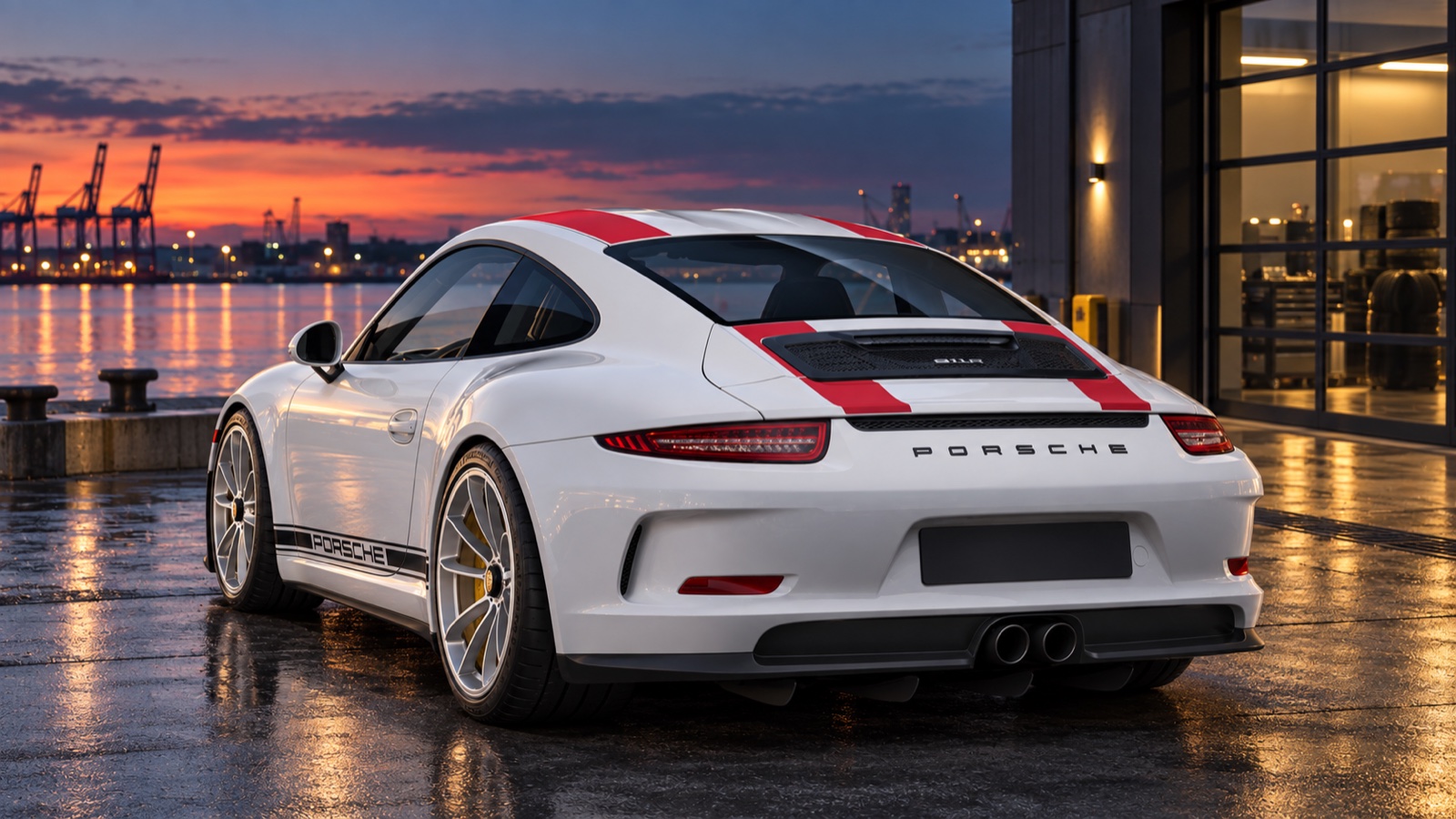
J.K. Technologies says the European car needs no changes to its basic structure. Its approach relies on replacing removable parts with factory components and reprogramming existing systems, but the list of parts involved is long.
For lighting, the importer says wiring for U.S. side markers is already present but inactive. It proposes replacement headlights, taillights, and front side-marker lamps, along with programming to activate U.S. lighting functions. The instrument cluster and its programming are on the list as well.
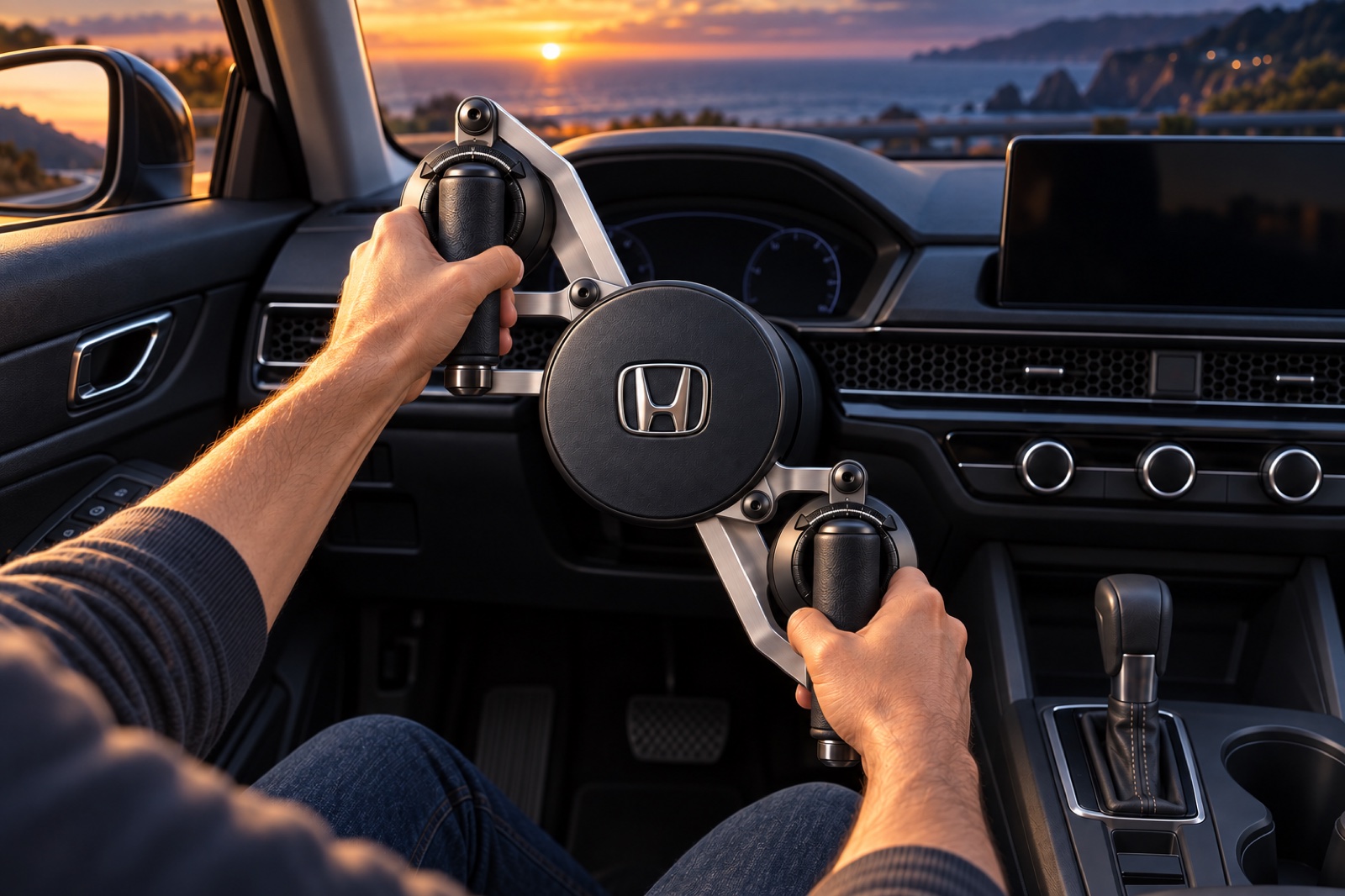
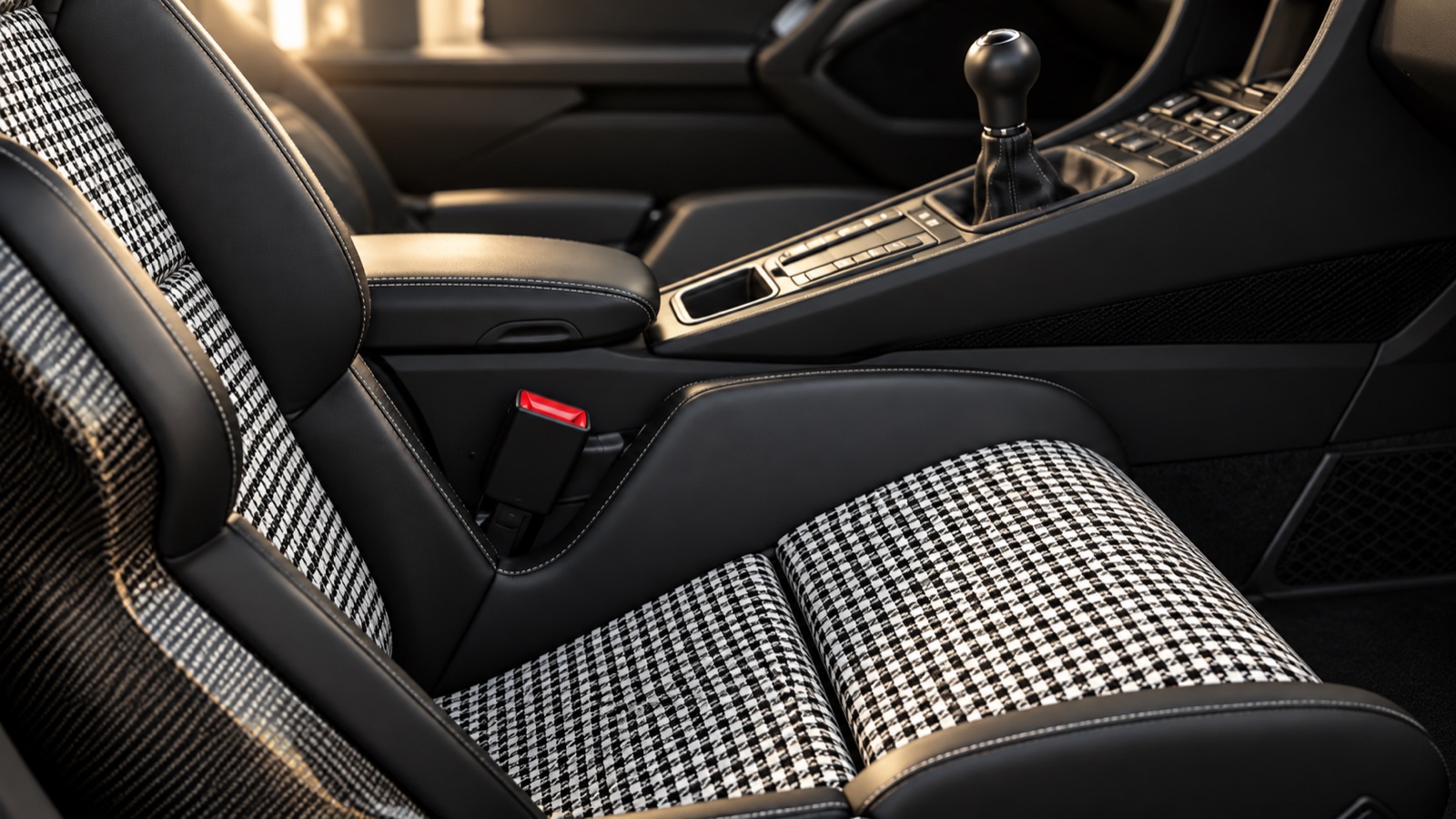
The cabin work goes further. Proposed parts include passenger-occupant detection equipment, an airbag control unit, seat wiring, seat-position sensors, a passenger seatbelt buckle, and knee airbags, along with dashboard and body wiring harnesses.
Fuel-system work includes refueling-vapor equipment and engine-control programming. The notice also describes mirror, labeling, and bumper requirements, and identifies some U.S.-specification equipment already fitted to the sample car. A given vehicle’s existing configuration affects its conversion estimate, which is one reason individual quotes vary.
These are J.K. Technologies’ proposed measures, not a finalized list. NHTSA must still assess the case before issuing its eligibility decision.
What Buyers Should Establish First
There is precedent for this kind of proceeding involving high-value European cars. NHTSA’s petition history records earlier J.K. Technologies cases for the 2013 Porsche Panamera and 2014 Ferrari LaFerrari, both closed with final actions in 2019. Those cases show the import process working through similar petitions, not a shared defect with the 911 R.
Buyers considering a European 911 R should talk to a registered importer before purchasing or shipping one. NHTSA’s process requires an eligibility determination, a conversion contract, and a DOT conformance bond equal to 150 percent of the vehicle’s dutiable value. That bond figure is not a conversion-price quote.
EPA emissions requirements, Customs obligations, and state registration apply as well. A registered importer can typically provide the applicable eligibility number, the required work for a specific car, parts availability, total costs, and an expected completion time. Comments on the petition can be submitted under docket NHTSA-2026-1486 through October 8.
For a U.S. collector, this is a proceeding worth following, not yet grounds to commit to an overseas purchase. The legal route and a complete conversion budget need to be worked out before a European asking price looks like an opportunity.