Federal safety investigators are examining comma.ai’s aftermarket driving-assistance products after identifying five crashes in which equipped vehicles reportedly hit stopped or slowly moving traffic in the same lane, according to an investigation record reviewed by Carmoses. Two crashes killed three people. Four involved nonfatal injuries to 11 others, including serious injuries.
The National Highway Traffic Safety Administration opened Preliminary Evaluation PE26007 on September 21, 2026. Its database names the comma three, comma 3X and comma four devices. The inquiry remains open, with investigators assessing whether the systems adequately detected and responded to vehicles ahead.
For owners, the distinction matters immediately. This is an investigation into equipment added to existing cars, rather than a recall covering every example of a particular Toyota or Honda. NHTSA has not established that comma caused the crashes.
Three Devices, An Uncounted Fleet
The opening record does not provide an equipment population or a complete list of vehicle models and years within the inquiry. Five is the reported crash count, not the number of products potentially involved.
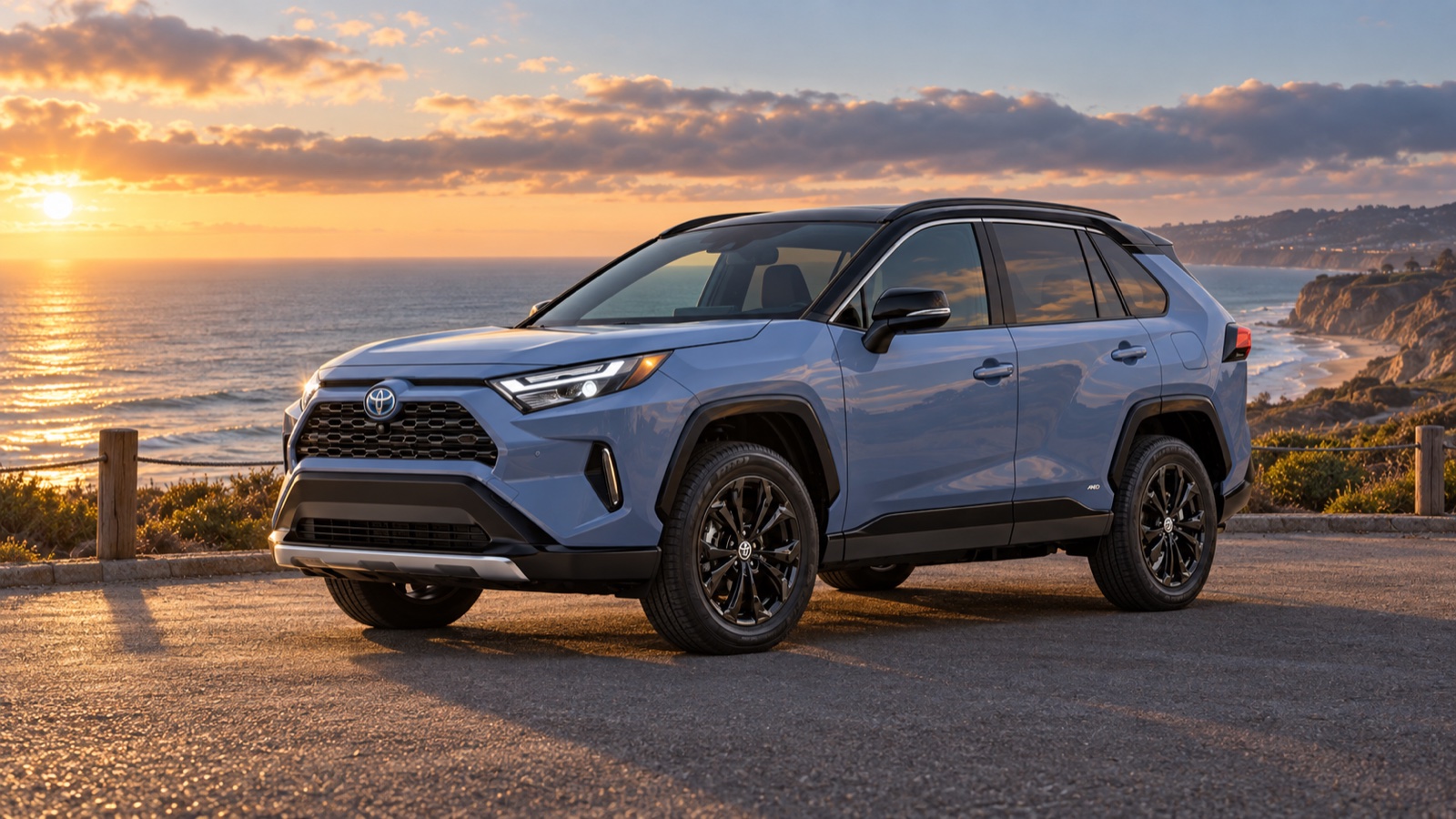
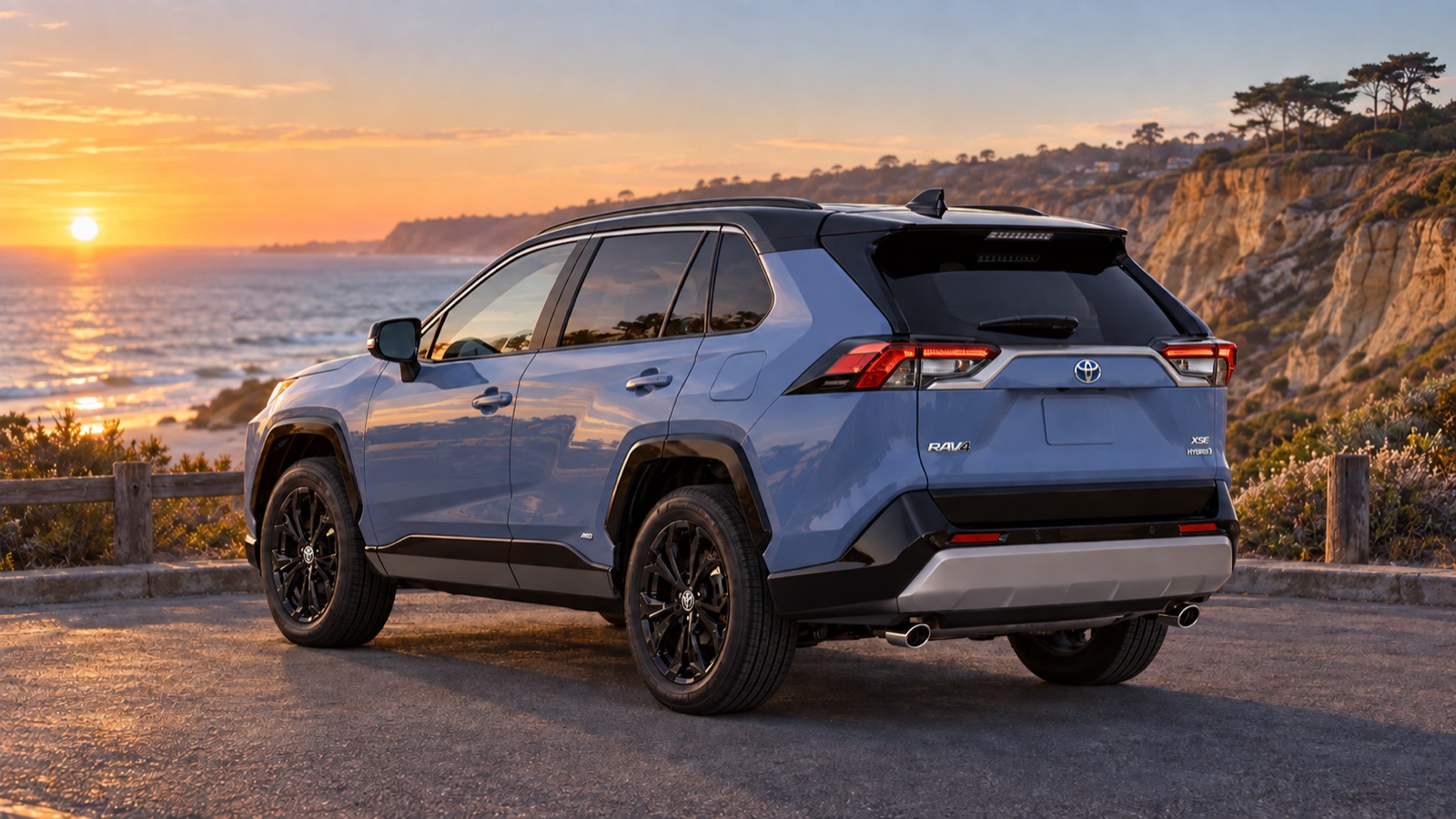
Crash reports cited by NHTSA identify a 2020 Honda Accord, a 2022 Toyota RAV4 and a 2021 Toyota Corolla. Those records establish examples of vehicles involved, not an exhaustive affected-model list. Owning one of those cars without comma equipment does not bring it into this investigation.
NHTSA says it confirmed that the systems were powered on or engaged in multiple crashes. Whether openpilot was controlling each vehicle at the moment of impact remains a question for investigators. Investigators intend to verify system status in each incident and evaluate both performance and safeguards.
The recurring circumstances give the inquiry a specific focus. These were reported collisions with traffic directly ahead, including vehicles moving slowly or already stopped. NHTSA’s preliminary information suggests the comma system may not have detected or responded adequately.
Who Was Controlling The Brakes?
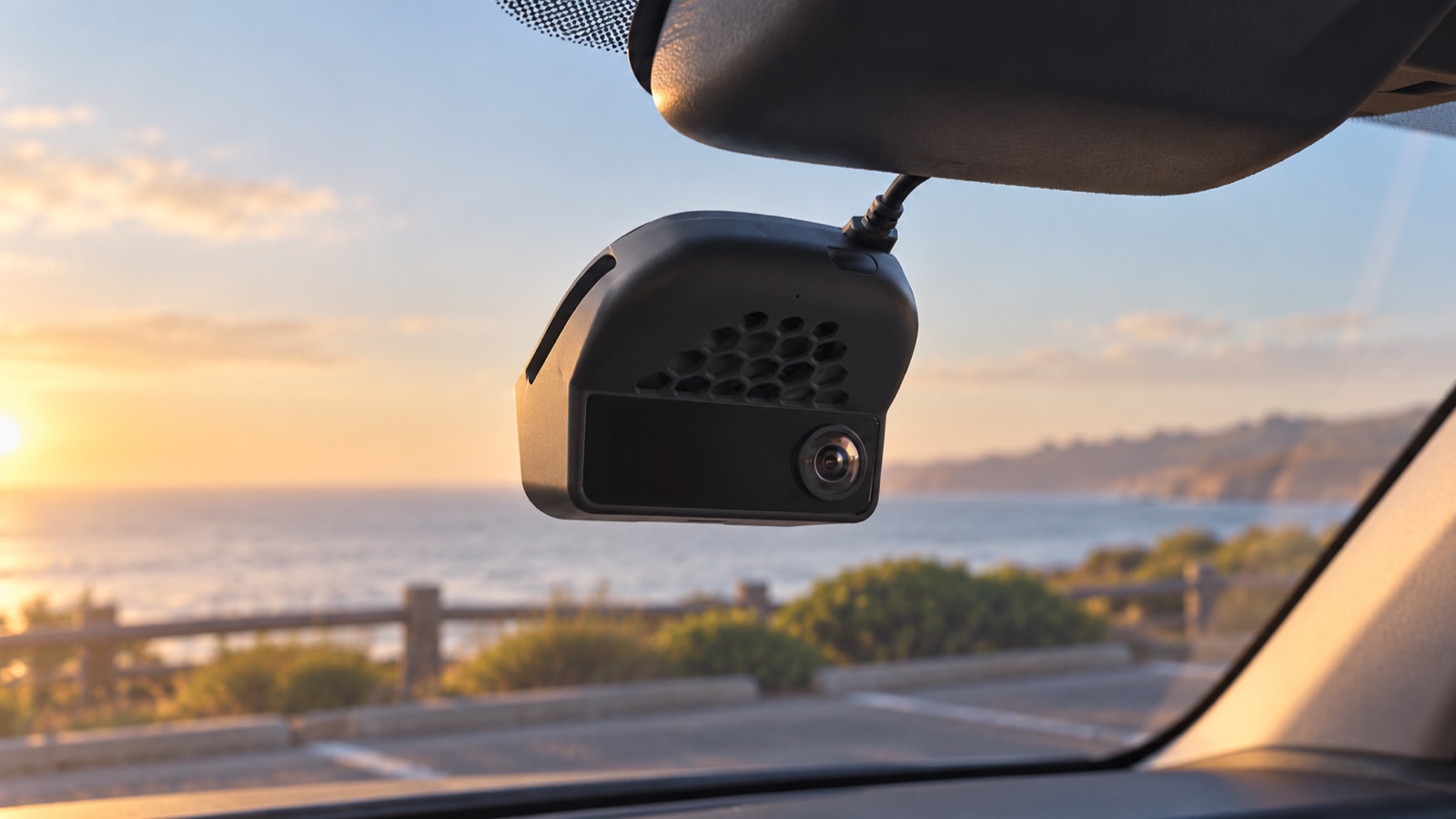
Comma sells devices and wiring harnesses that connect to a vehicle’s existing electronics. The hardware combines cameras with information from factory sensors, while the installed software determines the assistance it provides. Comma’s openpilot is open source, allowing developers to create modified versions known as forks.
That arrangement makes identifying the active software and control functions essential. Comma’s report of a September 2025 Accord crash says Honda’s system performed adaptive cruise control, while openpilot provided lane centering. A device on the windshield therefore does not, by itself, establish which system controlled speed.
The February 2026 RAV4 crash report identifies FrogPilot software. Comma said the device appeared to be running third-party software and that it had preserved relevant data at NHTSA’s request. Those are the company’s statements, not a finding that the modification caused the crash.
NHTSA explicitly includes modified software in its inquiry. Where a fork was involved, investigators will consider components it shares with openpilot. Separating original code, modifications and factory functions will help establish what happened and where any corrective action belongs.
What Owners Should Do Now
No recall remedy or owner repair schedule has been announced in the records reviewed. Owners should follow comma’s instruction to watch the road continuously and remain ready to take control. Its support guidance specifically lists stationary vehicles in the same lane and situations requiring abrupt braking among adaptive-cruise limitations.
Owners who experience a safety problem should report it to NHTSA and comma, identifying the car, device and software version. Recording whether the installation uses stock openpilot or a fork would help distinguish systems that can look identical from the driver’s seat. An available software update should not be treated as a remedy for this investigation without a specific announcement.
There is regulatory history here. In October 2016, comma canceled its planned Comma One product after NHTSA demanded information about its safety. That episode concerned an earlier product, while the safety of today’s hardware is the subject of the current investigation.
Factory systems face scrutiny over similar road situations. In March 2026, the National Transportation Safety Board concluded that driver overreliance contributed to two fatal 2024 crashes involving Ford BlueCruise and stationary vehicles. Those findings concern a different system, but reinforce the importance of effective driver monitoring alongside vehicle detection.
The investigation could change as NHTSA obtains fuller data. For US buyers, however, the purchasing question is already concrete: what controls steering and braking in their particular installation, and what happens when it misses stopped traffic? The repeated crash pattern warrants this scrutiny. Until those questions are answered, buyers should put demonstrated safeguards ahead of promises of easier driving.