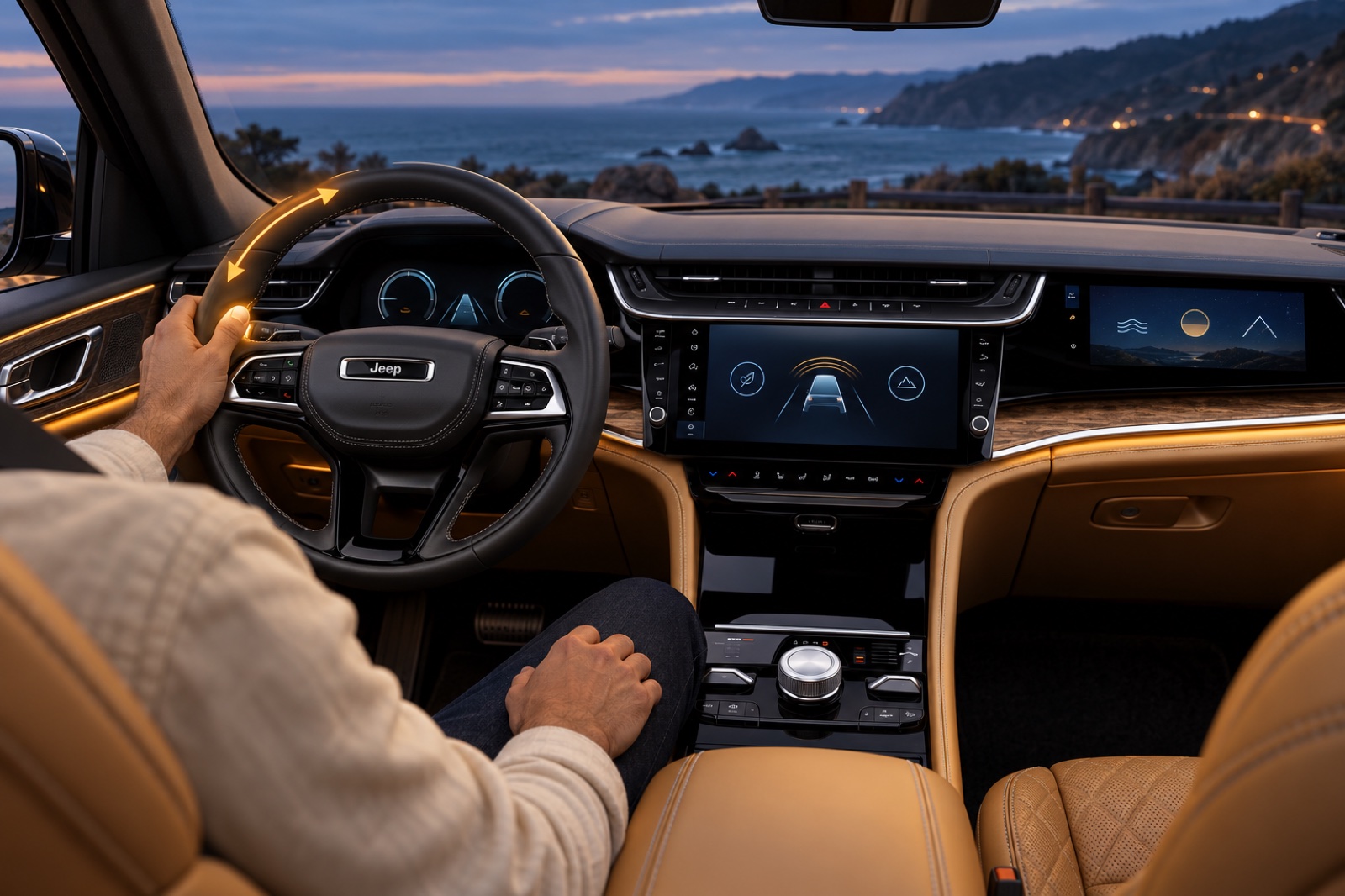
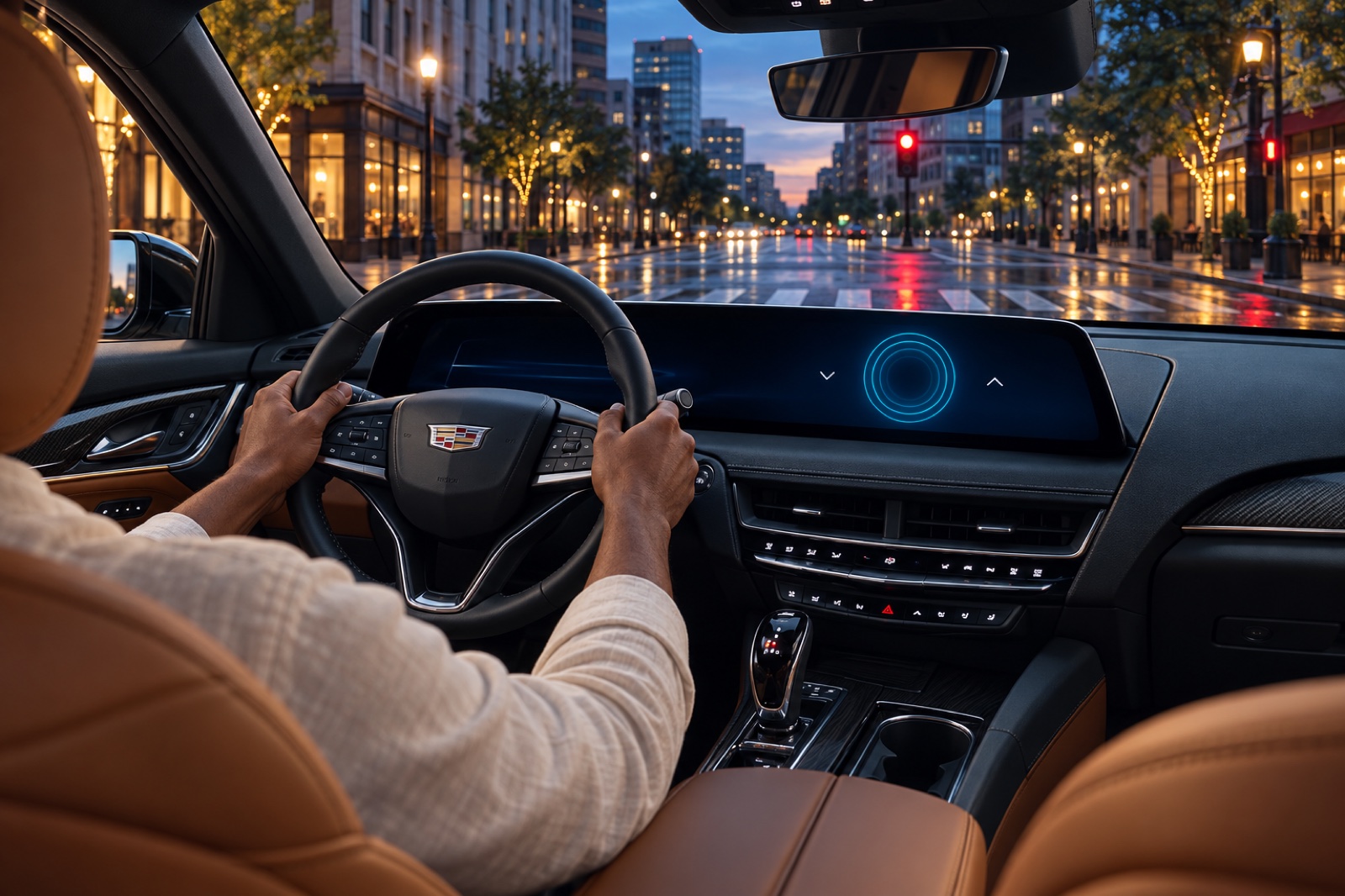
A breathing break at a red light could end with a performance score and a discount code under a system proposed by Cadillac’s parent company, GM. Even the time a driver takes to begin the exercise could count toward the result, adding an unexpected measure to a routine intended to reduce stress.
GM outlines its approach to timing and delivering that guidance in a patent filing discovered by Carmoses. The car would assess both the person behind the wheel and the surrounding traffic before offering guidance. Coaching would begin when elevated stress coincides with a suitable opportunity, with continued outside monitoring allowing an interruption when conditions change.
GM previously described detecting driver distress and recommending breathing exercises in a separate proposal. What distinguishes this approach is the combination of choosing the moment, monitoring participation and potentially rewarding the result.
The Car Chooses When To Ask
GM identifies a practical problem with scheduled breathing reminders. They can disappear among other notifications or arrive when someone cannot act on them. A vehicle could use its knowledge of the road scene to find a better opening.
That starts with two parallel assessments. A camera observes the driver’s face and gaze, while physiological measurements, potentially supplied by a smartwatch or fitness tracker, can contribute to the stress estimate. Exterior sensors and vehicle data establish what is happening around the car and whether it is stopped or moving.
Simply reaching a red light would not automatically start a session. The system also needs to detect stress above a threshold and judge the conditions suitable. A stopped car at a red signal is one example, alongside being pulled over, with the expected opportunity lasting long enough for the exercise.
In the described sequence, the driver accepts through a screen button, a spoken acknowledgment or another input. Without acceptance, monitoring resumes. Guidance can then use a video, written steps or graphics on the infotainment display, while sensors assess participation.
Nothing in the filing names a model. Its sedan layout and use of driver monitoring make the Cadillac CT5 a reasonable editorial setting for these renders, with proposed interfaces added to its cabin. The production CT5 already offers a 33-inch display, Super Cruise and Driver Attention Assist. That equipment provides context, not a confirmed route to this feature.
Relaxation Gets A Performance Review
The proposed scoring goes beyond completing a session. GM describes evaluating how well the driver performs, using anything from pass or fail to a numerical rating. A score could also incorporate the time between the alert and the start of the exercise, and feedback could suggest improvements for next time.
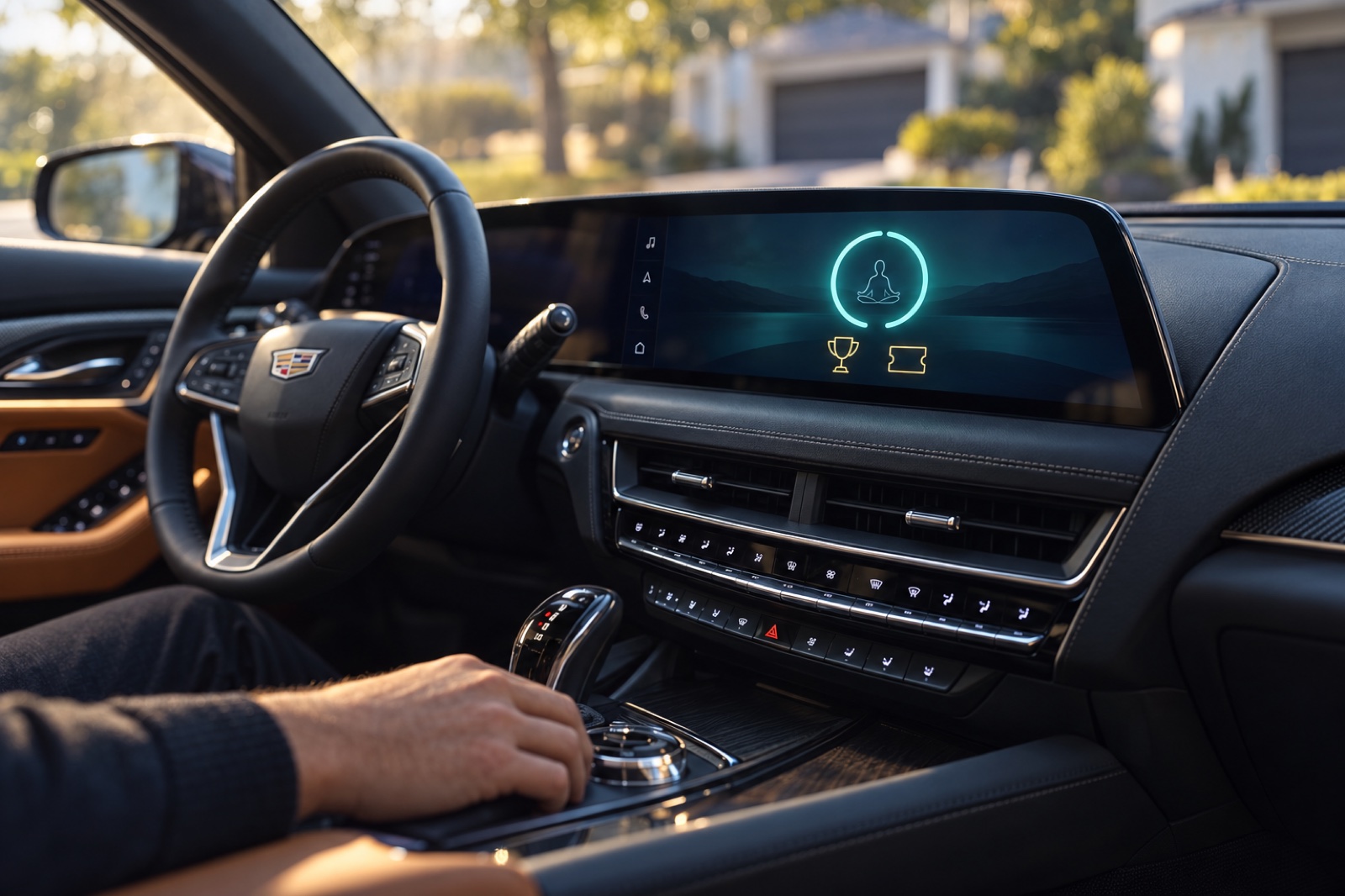
Optional incentives include rankings, achievements and high-score tables, with prizes or discount codes potentially attached. No reward provider, redemption value or commercial program is identified. Nor is there a detailed formula establishing what earns a good breathing score.
That leaves a consequential design choice unresolved. Including response time in a wellness score could encourage prompt participation, but traffic deserves the driver’s attention for as long as it needs it. A reward system should not make declining or delaying an invitation feel like poor performance.
The stress estimate itself has some nuance. Software can smooth observations over time so an isolated smile does not erase an otherwise elevated reading. It can also interpret an expression in context, recognizing that an open mouth in a traffic jam may mean something different from the same expression in easier conditions. Those are proposed ways to handle ambiguity, without published accuracy results establishing how reliably they work.
Knowing When To Stop Matters More
Outside monitoring continues during the exercise. If conditions become unsuitable, the system interrupts with an alert intended to return the driver to full attention.
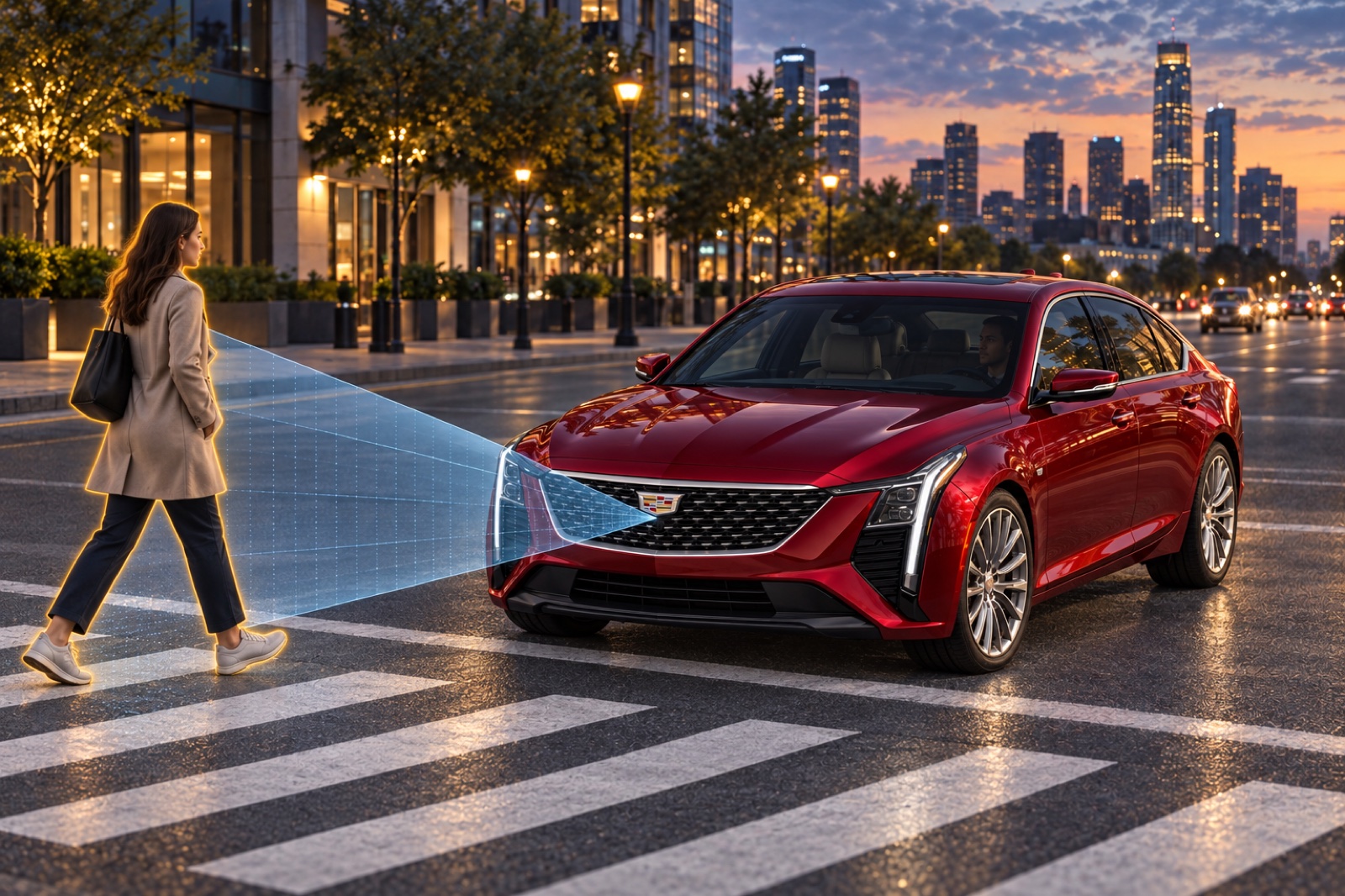
That safeguard matters because Cadillac’s existing Super Cruise uses head and eye monitoring to check attention, and its operating guidance requires drivers to remain focused on the road. A breathing invitation would introduce a different demand on that attention. At an intersection, the driver still needs to watch traffic and be ready to move when the signal changes.
The proposal supplies neither a minimum remaining red-light time nor a validated method for guaranteeing a sufficient window. There is also no demonstrated stress-reduction benefit for this particular system. A patent does not guarantee production.
The strongest case is for an optional coach used after pulling over, with clear acceptance and immediate interruption when needed. Extending it to traffic lights needs evidence that drivers can safely shift their attention back. Until then, making response time part of a wellness score is the least convincing part of an otherwise thoughtful attempt to time a useful reminder.