

Traction-control systems typically use ABS wheel-speed sensors to determine when wheelspin occurs, and reins it in via a combination of brake application and reduced engine power. But Audi has just filed a fascinating patent with the European Patent Office for an enhanced traction-control system that uses microphones to listen to the sound of the tires on the road, analyzing the feedback to determine when the traction limits are reached.
Keeping An Ear To The Ground
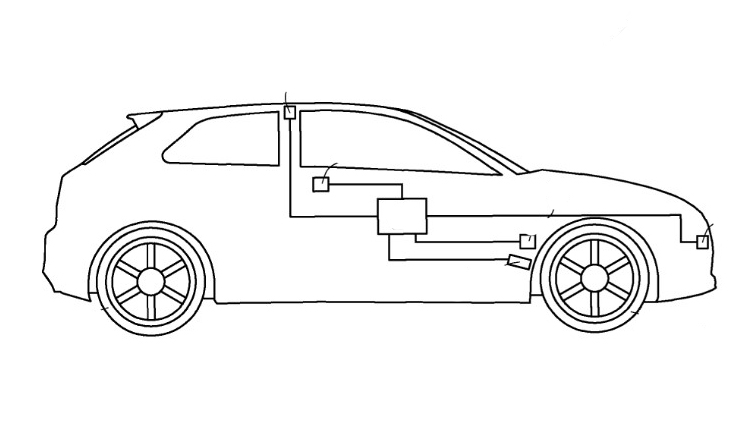
The system has the potential to detect the loss of grip even earlier than traditional systems. Microphones tuned to listen to the tires send the feedback to a control unit that analyzes the amplitude and frequency of the tire noise. It compares these sound signatures to a library of known data, and can tell when a tire is getting to the point where traction loss is imminent.
It will then send a signal to the traction-control system to activate the brakes and/or reduce engine power to maintain traction, improving safety in slippery conditions, while at the same time alerting the driver of the fact via the vehicle’s display or through an audible warning.
Proactive Safety, Subtle Efficiency
The most immediate benefit is improved safety, thanks to quicker and more proactive traction control. But Audi also claims the system is sensitive enough to make fine power adjustments that help maintain grip without the driver even noticing — a feature that could marginally improve fuel economy. That said, any efficiency gains are likely to be minimal, except in consistently slippery conditions where the system is working more frequently.
Limitations and Unknowns
In its current form, the system is limited by its reliance on tire noise alone. That means its accuracy can be affected by changing road surfaces, debris, heavy rain and, being audio-based, even ambient noise from the engine or nearby traffic.
Audi’s patent filing doesn’t specify how these challenges will be addressed. And while any system that enhances traction and safety is welcome, its real-world value will depend on how reliably it works without triggering false positives — otherwise, it risks becoming more of an irritation than an aid.