

Hyundai has filed a patent with the United States Patent and Trademark Office for a retractable body-side camera system that stays hidden until activated. Designed to enhance rear visibility, especially in tight spaces where mirrors are folded in, the cameras extend outward when needed and retract flush with the vehicle body for a clean, aerodynamic profile when not in use.

Basic System Components
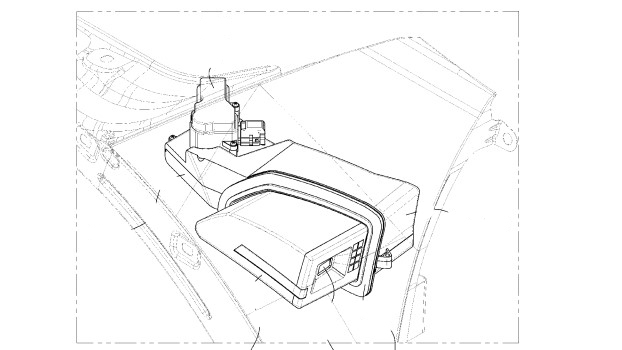
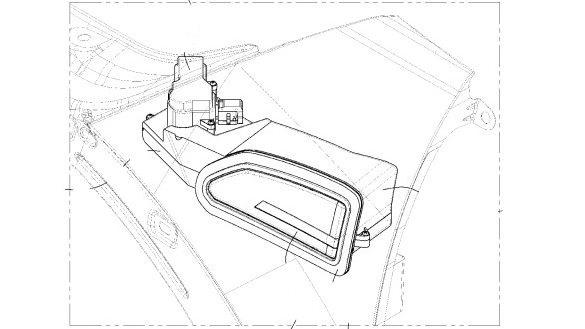
Hyundai’s camera system is discreetly mounted inside a body panel, such as the front fender, close to the mirror, and is composed of several key components:
- Camera Assembly – The core imaging unit responsible for capturing the field of view.
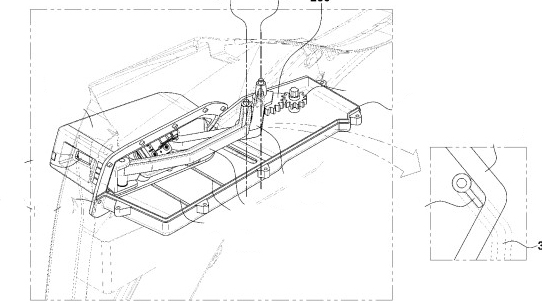
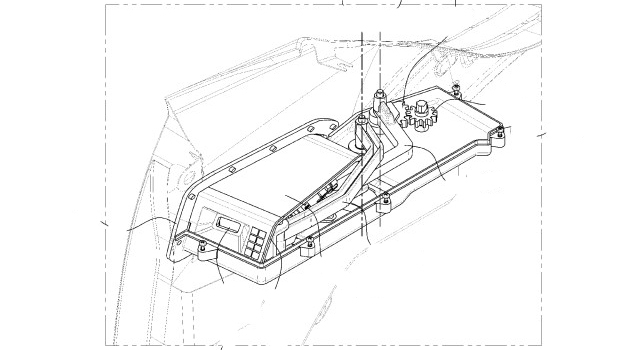
- Rotating Link Mechanism – Two mechanical links that control the movement and protrusion of the camera assembly.
- Housing Rib and Garnish – Structural elements that seal the space between the vehicle’s panel and the camera housing, maintaining a clean exterior design.
- Electronic Controller – Coordinates the operation of the system, managing when and how the camera extends based on user or sensor input.
This compact system is designed to operate seamlessly within the vehicle’s body without disrupting the exterior aesthetics.
An Extra Set Of Eyes
This camera system supplements, but does not replace, the standard rear backup camera. It offers an expanded field of view by deploying additional side cameras, likely placed in the fenders behind the front wheels, as seen in patent illustrations.
Once activated, the cameras extend from the body to provide a wide-angle perspective from a location similar to traditional side mirrors. This design allows the mirrors to be folded flat, ideal in narrow spaces, while still maintaining superior visibility. In fact, the cameras may deliver an even broader field of vision than side mirrors, enhancing safety when reversing or maneuvering in tight quarters.
A Subtle but Sophisticated Upgrade
While Hyundai’s system resembles other camera-based rearview mirror setups, it stands out through its refined execution. The system’s control unit is capable of precisely rotating and managing the cameras, ensuring optimal positioning when deployed. Additionally, the flush integration into the body panel, combined with a housing rib and garnish, minimizes both vibration and wind noise that are both common issues in traditional and aftermarket camera systems.
Though this system likely comes at a premium due to its complexity, it serves as a sophisticated supplement to standard side mirrors, particularly in regions where physical mirrors are still legally required. It may not reinvent vehicle safety technology, but it adds a thoughtful layer of visibility and aerodynamic finesse in a compact, retractable package.